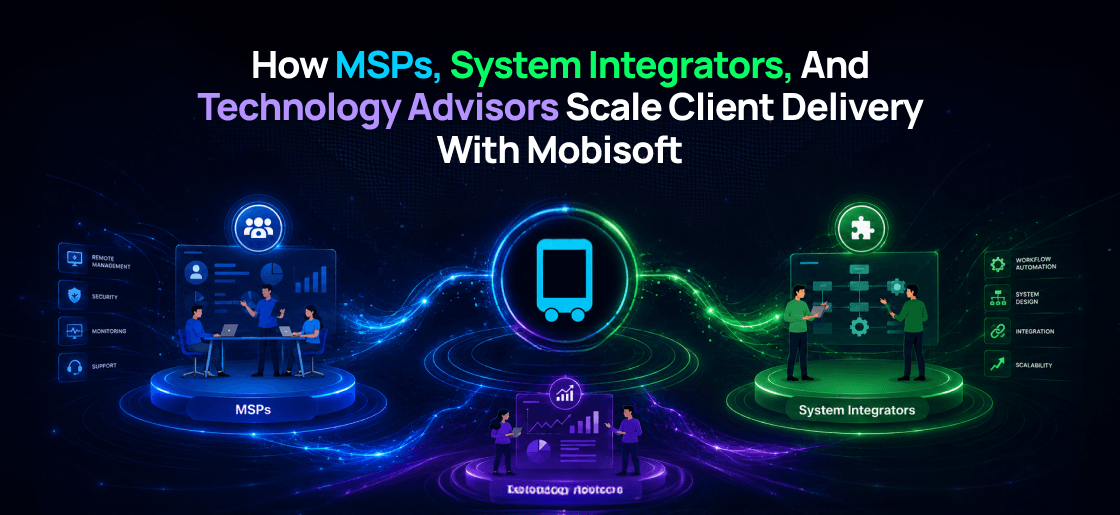
The pressure to expand service offerings is growing across the channel ecosystem.
Clients that once needed infrastructure support, cloud management, or technology consulting now expect much more. Mobile applications, AI integrations, enterprise platforms, workflow automation, and digital products are increasingly becoming part of the same conversation.
For MSPs, system integrators, and technology advisors, these requests create both opportunity and challenge. The client relationship already exists, but the engineering capability required to deliver may not.
Building an internal development practice is one option. However, hiring engineers, establishing delivery processes, and maintaining utilization can introduce significant overhead before new revenue arrives.
Many channel partners instead look for ways to extend delivery capability without expanding headcount at the same pace.
That is where a well-structured strategic partner program becomes valuable.
By working with a software development partner for MSPs, channel partners can pursue larger opportunities, retain ownership of client relationships, and access specialized engineering expertise when required.
This guide explores how Mobisoft helps MSPs, system integrators, and technology advisors expand delivery capability through referral, co-delivery, and white-label engagement models. It also covers the revenue opportunities, domain expertise, support resources, and operational processes that help channel partners grow without building a large in-house engineering team.
The Delivery Scaling Problem Every MSP, System Integrator, And Technology Advisor Faces
Growth rarely creates problems in the way most firms expect.
New clients are welcome. Larger contracts are encouraging. More strategic conversations often signal trust. Yet many MSPs, consultants, and integrators eventually encounter the same obstacle. Their clients begin asking for services that sit outside their existing delivery capabilities.
A healthcare client wants a patient engagement app. A logistics company needs a mobile solution for drivers. A manufacturer requests an AI-powered workflow tool. Suddenly, the conversation moves beyond infrastructure management, advisory support, or enterprise integrations.
The opportunity exists, but the capability does not.
This challenge affects managed IT services providers, firms specializing in technology advisory services, and businesses delivering system integration services alike. The issue is not expertise. The issue is capacity, specialization, and delivery readiness.
Why The Capability Ceiling Appears Earlier Than Expected?
Many channel partners assume growth naturally leads to broader service offerings. In reality, expanding into software engineering requires far more than adding a few developers.
A successful development practice often requires:
- Product managers
- Solution architects
- UI/UX specialists
- Mobile engineers
- Backend developers
- QA engineers
- DevOps specialists
Each role introduces additional hiring, management, and operational complexity. For many firms, especially those built around recurring services, that investment becomes difficult to justify before demand becomes predictable.
As a result, organizations reach a point where client expectations outpace internal delivery capability.
Why Client Expectations Continue To Expand?
Technology buying behavior has changed considerably over the last decade.
Clients increasingly prefer working with fewer vendors. They want partners who understand their business, technology environment, and long-term objectives.
According to the latest global IT spending forecasts, organizations continue to increase investments in software and digital initiatives while seeking greater operational efficiency.
That trend creates a natural expansion of expectations.
- Clients who trust you with infrastructure often ask about applications
- Clients who trust you with a cloud strategy often ask about automation
- Clients who trust you with technology planning often ask who can build the solution
Those requests create new opportunities. They also expose capability gaps.
The Cost Of Referring Opportunities Elsewhere
Referrals may solve short-term delivery challenges. But they rarely strengthen long-term client relationships.
When a third-party vendor enters an account, several things can happen:
- The vendor establishes direct stakeholder relationships
- The vendor identifies additional opportunities
- The vendor becomes involved in future planning discussions
- The vendor gains visibility into operational challenges
Over time, the delivery relationship often becomes more influential than the original advisory relationship. This creates a difficult situation for channel partners.
You maintain trust with the client, yet another firm owns a growing portion of the technology roadmap.
Why Hiring Is Not Always The Right Answer?
Building an internal engineering practice appears attractive on paper. Many firms discover that the economics are more complicated.
Recruiting experienced engineers remains competitive across global markets. Salaries continue rising while utilization remains difficult to predict.
Beyond hiring costs, organizations must establish:
- Development standards
- Security practices
- Delivery frameworks
- Quality assurance processes
- Technical leadership structures
The challenge becomes even greater in regulated industries.
- Healthcare projects require compliance expertise
- Financial applications need security expertise
- Logistics platforms demand operational expertise
General software knowledge alone rarely satisfies these requirements.
The Five Scaling Constraints Channel Partners Encounter
Most channel partners encounter a variation of the same five obstacles.
Application Development Capability Gaps
Custom software projects often emerge unexpectedly.
A client requests:
- Mobile applications
- Enterprise portals
- AI integrations
- Workflow automation
- SaaS products
Many firms offering technology advisory services can define these initiatives. Fewer possess the engineering capability required to execute them.
Without a delivery solution, opportunities are often declined or referred elsewhere. Both outcomes limit growth potential.
Headcount Expansion Creates Fixed Costs
Every new capability usually requires new hiring.
That hiring introduces:
- Recruitment expenses
- Training costs
- Management overhead
- Utilization risk
Revenue may fluctuate significantly throughout the year. Payroll obligations do not.
For organizations seeking sustainable growth, expanding capability without permanently increasing headcount often becomes the preferred path.
Domain Expertise Is Difficult To Build Internally
Technical delivery alone is no longer enough. Clients increasingly expect industry-specific expertise. Healthcare organizations expect HIPAA familiarity. Logistics operators expect FMCSA understanding. Financial firms expect PCI-DSS awareness.
Enterprise software companies expect SAML and SCIM knowledge. Building expertise across multiple industries requires substantial investment and years of practical experience.
Most channel partners cannot realistically maintain that level of specialization internally.
Proposal Competitiveness Becomes A Challenge
Relationships open doors. Technical credibility closes deals.
Enterprise buyers evaluate proposals based on:
- Architecture quality
- Security posture
- Compliance readiness
- Integration capability
- Delivery methodology
When technical sections lack depth, specialist competitors often gain an advantage. Even strong client relationships may not overcome concerns about delivery capability. This challenge becomes particularly visible during larger digital initiatives.
Revenue Growth Eventually Reaches A Ceiling
Many organizations depend heavily on recurring service revenue. While recurring revenue provides stability, it can also limit expansion opportunities. Project-based engagements often create significantly larger revenue opportunities.
Examples include:
- Mobile application development
- Enterprise software platforms
- AI implementation projects
- Digital modernization initiatives
- Workflow automation programs
Without access to software delivery capability, these opportunities remain inaccessible.
Why Traditional Service Models Are Evolving?
The market increasingly favors integrated technology relationships. Clients prefer working with partners who can coordinate multiple initiatives rather than managing numerous vendors independently. This trend has encouraged many firms to reconsider their operating model.
Instead of building every capability internally, they increasingly form strategic partnerships with specialized providers. That approach enables them to maintain client ownership while expanding service offerings.
The Rise Of The Extended Delivery Model
A growing number of MSPs and integrators now operate through partnership ecosystems.
Under this model:
- The channel partner owns the client relationship.
- The partner guides strategy and planning.
- Specialized delivery partners provide execution capability.
- Clients benefit from broader expertise.
This approach creates flexibility without requiring continuous headcount growth.
For many organizations, it represents a more practical alternative to building a full development practice from scratch.
Why Channel Partners Need More Than An Outsourcing Vendor?
Not every engineering provider creates value for channel partners. The objective is not simply finding additional developers.
The objective is to find a software development partner that strengthens client relationships rather than competing for them.
The right partner should provide:
- Technical expertise
- Delivery maturity
- Industry knowledge
- Proposal support
- Scalable engineering resources
Most importantly, the partner should operate as an extension of your organization.
That distinction often determines whether a partnership becomes commercially valuable or operationally frustrating.
As client expectations continue expanding, the firms that grow fastest are rarely those attempting to build every capability internally. More often, they are the firms that combine strong client relationships with specialized delivery expertise through the right partnership model.
Three Engagement Models For Channel Partners
Not every channel partner needs the same level of engineering involvement. Some firms simply want referral revenue when clients request software development. Others want to retain project ownership while accessing specialized engineering expertise. A third group wants to offer development services under its own brand without hiring an internal team.
That difference matters. A successful technology partner program should accommodate different business models instead of forcing every partner into the same structure.
Mobisoft supports three engagement models that align with how MSPs, consultants, advisors, and integrators operate today.
The Referral Model
Mobisoft's referral partner program offers a referral model for partners who prefer introducing opportunities rather than participating in delivery.
This structure works particularly well for:
- MSPs focused on recurring services
- Technology consultants
- Value-added resellers
- Independent technology advisors
- Firms offering technology advisory services
The process remains straightforward. A partner identifies a client requirement and introduces the opportunity to Mobisoft. Once the client proceeds with a paid engagement, the partner receives a commission based on the contract value.
When The Referral Model Makes Sense
Many channel partners regularly encounter software opportunities but do not maintain delivery teams.
Common examples include:
- Mobile app requests
- Enterprise software projects
- AI implementation initiatives
- Digital product development
- Workflow automation projects
Rather than declining the opportunity, partners can monetize the relationship through referrals.
This creates additional revenue without adding operational responsibilities.
Referral Model Benefits
Partners often choose this model because it offers flexibility.
Benefits include:
- No delivery involvement
- No hiring requirements
- No project management obligations
- No minimum annual volume
- No exclusivity requirements
The structure allows organizations to participate in software opportunities without changing their existing operating model.
The Co-Delivery Model
Some opportunities require deeper involvement.
Clients may expect the existing MSP, consultant, or integrator to remain actively engaged throughout the engagement.
In these situations, co-delivery becomes attractive.
Under this model, the channel partner owns the commercial relationship while Mobisoft contributes engineering capability.
The arrangement functions as a practical system integrator partnership where both organizations contribute distinct expertise.
How Co-Delivery Works
The channel partner remains responsible for:
- Client relationships
- Commercial discussions
- Project oversight
- Strategic guidance
Mobisoft contributes:
- Engineering resources
- Technical leadership
- Development execution
- Quality assurance
- Delivery processes
Clients continue working with the partner they already trust while gaining access to specialized development expertise.
Why Many System Integrators Prefer Co-Delivery
Modern enterprise projects rarely rely on a single technology discipline.
A logistics modernization initiative may require:
- ERP integrations
- Mobile applications
- AI-powered workflows
- Data synchronization
A healthcare engagement may combine:
- EHR integrations
- Mobile experiences
- Compliance architecture
- Analytics platforms
Many organizations excel in infrastructure and integration services but lack dedicated software engineering teams. Co-delivery fills that gap without forcing rapid expansion.
Revenue Potential Through Co-Delivery
The economics often appeal to growing firms. Rather than investing in new engineering departments, partners gain access to an extended engineering team when opportunities arise.
Benefits include:
- Reduced delivery costs
- Greater project flexibility
- Improved proposal competitiveness
- Additional revenue streams
The model also reduces utilization concerns because engineering resources scale with project demand.
The White-Label Model
For some organizations, maintaining complete brand ownership is essential.
Clients expect a single delivery partner. Proposals, project documentation, and communications all operate under one brand identity.
The white-label model supports this requirement. Under this arrangement, Mobisoft functions as an offshore IT support and software development partner while remaining invisible to the client relationship.
How White-Label Delivery Works
The partner sells development services directly to clients. Mobisoft provides the engineering capability behind the scenes.
The client experiences:
- One contract
- One brand
- One project relationship
- One delivery process
This allows partners to expand service portfolios without building engineering departments internally.
Why White-Label Models Continue Growing
Clients increasingly prefer consolidated vendor relationships.
Managing multiple suppliers often introduces:
- Communication challenges
- Accountability issues
- Slower decision-making
- Increased project complexity
White-label delivery helps address these concerns while expanding partner capabilities.
Comparing The Three Models
| Engagement Model | Best For | Partner Involvement |
| Referral | Advisors, MSPs, consultants | Minimal |
| Co-Delivery | System integrators, consultancies | Moderate |
| White-Label | MSPs, technology firms | High |
Each model addresses a different growth strategy. The common objective remains the same. Channel partners expand delivery capability while preserving valuable client relationships.
Choosing The Right Engagement Model
Selection depends on business goals.
Questions worth considering include:
- Do clients expect direct delivery involvement?
- Is brand ownership important?
- Are software projects becoming more frequent?
- Is engineering hiring a current priority?
- Does the business want recurring delivery revenue?
The answers often reveal which structure offers the strongest commercial fit.
Why Flexibility Matters?
Technology services continue evolving. Many organizations begin with referrals before progressing into co-delivery engagements.
Others move directly into white-label arrangements because client demand already exists.
A flexible MSP partner program allows organizations to choose the model that aligns with current business objectives rather than committing to unnecessary complexity.
The Revenue Economics Of Scaling Client Delivery
Growth conversations often focus on capability. Revenue deserves equal attention.
The decision to pursue software opportunities should create measurable commercial value. For many channel partners, the financial opportunity extends well beyond the immediate project.
Software engagements frequently create follow-on services, support contracts, and long-term advisory relationships. That combination can significantly increase account value.
Why Development Opportunities Matter Financially
Traditional recurring services remain important. Yet many firms encounter limitations when relying exclusively on infrastructure management and support revenue.
Project-based engagements often create opportunities to:
- Increase account value
- Expand strategic influence
- Deepen client relationships
- Open recurring service opportunities
A successful application or platform frequently generates additional needs after launch.
Examples include:
- Ongoing maintenance
- Cloud management
- Security monitoring
- User support
- Analytics services
This makes software delivery strategically important for many channel partners.
Revenue Opportunities For Smaller MSPs
Smaller providers often assume software opportunities are reserved for larger firms. That assumption can be misleading.
Many existing clients eventually require:
- Internal business applications
- Workflow automation tools
- Mobile experiences
- Customer portals
A single successful referral may generate meaningful incremental revenue. More importantly, it strengthens the advisor relationship.
Building Additional Revenue Without Additional Headcount
Hiring engineers introduces fixed costs. Partnering introduces flexibility. This distinction becomes important when evaluating growth strategies.
Using a software development partner for MSPs allows organizations to pursue larger opportunities while avoiding recruitment challenges.
Benefits include:
- No long-term salary commitments
- Faster access to expertise
- Reduced hiring risk
- Greater operational flexibility
The result is a more scalable growth model.
Revenue Potential For Mid-Sized Providers
Mid-market firms often occupy an interesting position. They maintain larger client portfolios and encounter more software opportunities. At the same time, they may not possess specialized engineering teams.
For these organizations, co-delivery frequently creates the strongest balance between revenue and operational control.
Potential benefits include:
- Margin on engineering services
- Additional consulting revenue
- Project management fees
- Long-term support opportunities
Each project can contribute revenue across multiple service categories.
Larger Organizations And Enterprise Opportunities
Enterprise clients frequently bundle several initiatives together. A modernization project may include:
- Application development
- Integration services
- Security enhancements
- Process automation
- Analytics implementation
Organizations participating in these engagements gain access to larger budgets and longer project timelines.
A strong technology partnership can help unlock these opportunities without requiring extensive internal expansion.
The Value Of Retaining Client Ownership
Revenue discussions often focus on immediate project margins. Long-term relationship value matters just as much.
When channel partners retain ownership of client relationships, they preserve access to future opportunities.
These may include:
- Managed services
- Technology roadmaps
- Platform enhancements
- Security initiatives
- Digital consulting
Each engagement becomes a foundation for future work.
The Economics Of White-Label Delivery
White-label arrangements create another revenue layer.
Partners can:
- Define pricing
- Manage client relationships
- Package services strategically
- Position offerings under their own brand
This creates greater control over commercial outcomes. Many firms view white-label delivery as a practical path toward becoming a more complete technology solutions provider.
Why Margin Is Only Part Of The Story
Direct revenue matters, so does the strategic positioning. Clients often prefer working with organizations capable of solving broader technology challenges.
Offering access to software development enhances credibility during executive discussions.
It also strengthens positioning against competitors offering only infrastructure or support services.
Revenue Multiplication Through Service Expansion
One project can create multiple revenue streams. A mobile application engagement may lead to:
- Cloud hosting services
- Security monitoring
- Ongoing enhancements
- Integration support
- Consulting retainers
The original project becomes the starting point rather than the final transaction.
Supporting Digital Initiatives Without Building A Large Team
Many organizations want to participate in software opportunities but hesitate to build internal engineering practices. Partnership models address that concern.
By working with an offshore software development partner, firms can support larger initiatives while maintaining operational efficiency.
This approach often proves more sustainable than rapid hiring programs.
Why Strategic Partnerships Produce Long-Term Value
The strongest partnerships extend beyond individual projects. They create repeatable processes that support ongoing growth.
Successful channel relationships typically generate:
- Consistent opportunity flow
- Faster proposal development
- Better technical positioning
- Greater client confidence
Over time, these benefits compound. The result is not simply additional project revenue. It is a stronger market position built around broader service capability.
Revenue Growth Without Operational Complexity
Every growing organization faces a choice.
One option involves expanding headcount aggressively and building every capability internally. The other is leveraging specialist expertise through carefully structured partnerships.
Many MSPs, consultants, and integrators increasingly favor the second approach.
It enables them to pursue larger opportunities, strengthen client relationships, and access specialized expertise without introducing unnecessary operational burden.
That combination often creates a more predictable path toward sustainable growth.
Domain Expertise That Helps Channel Partner Proposals, Win
Many channel partners lose opportunities for reasons unrelated to pricing.
The issue is often technical credibility. Enterprise buyers want evidence that the proposed team understands their industry, compliance obligations, and operational environment. Generic software expertise rarely satisfies those expectations.
A proposal that references specific compliance requirements usually creates more confidence than one that makes broad claims about experience.
This is particularly true in healthcare, logistics, financial services, and enterprise software environments.
For channel partners, access to domain expertise can strengthen proposal quality without requiring years of internal specialization.
Why Domain Knowledge Matters During Evaluation
Technical decision-makers review more than delivery timelines.
They also assess:
- Compliance readiness
- Architecture quality
- Security controls
- Integration strategy
- Industry familiarity
A proposal that demonstrates detailed knowledge often progresses further than one that relies on general development terminology.
That difference becomes increasingly important for organizations offering technology consulting services and digital transformation consulting.
Healthcare Projects Require More Than Development Skills
Healthcare technology projects involve significant regulatory considerations.
Organizations evaluating software vendors frequently expect familiarity with:
- HIPAA requirements
- FHIR standards
- Healthcare workflows
- EHR integrations
- Patient data protection
A proposal that references compliance controls in practical terms often appears more credible than one focused only on functionality.
Healthcare Architecture Expectations
Healthcare buyers commonly evaluate:
- User authentication controls
- Audit logging mechanisms
- Data encryption standards
- Access management policies
- Secure integration approaches
These considerations influence purchasing decisions long before development begins. For channel partners, demonstrating this understanding can improve proposal competitiveness.
FHIR Integration Expertise Matters
Many healthcare organizations rely on interoperability.
As a result, buyers often expect familiarity with:
- Patient resources
- Appointment resources
- Observation records
- Medication data
- Clinical documentation workflows
Projects involving Epic, Cerner, and athenahealth frequently require integration planning early in the process.
That level of preparation strengthens technical discussions.
Logistics Projects Demand Operational Understanding
Logistics technology projects present different challenges.
Success depends on understanding operational realities rather than software features alone.
Buyers often evaluate experience related to:
- Fleet operations
- Driver workflows
- Route management
- Compliance reporting
- Mobile connectivity challenges
Many field environments operate with inconsistent network access. As a result, offline functionality becomes a critical requirement.
Offline-First Architecture Creates Competitive Advantages
Field workers rarely operate under ideal connectivity conditions.
Applications often need to support:
- Local data storage
- Deferred synchronization
- Conflict resolution
- GPS capture
- Reliable transaction handling
Organizations evaluating logistics platforms frequently ask detailed questions about offline behavior.
Strong answers improve proposal confidence.
FMCSA And Transportation Compliance Considerations
Transportation companies expect more than location tracking. Many projects involve requirements connected to:
- Hours of service management
- Driver activity monitoring
- ELD integrations
- Compliance reporting
- Operational visibility
Demonstrating familiarity with these areas helps establish technical credibility during evaluations.
Financial Services Demand Security-First Thinking
Financial technology buyers often prioritize risk management.
Functionality matters, but security discussions frequently influence purchasing decisions.
Common evaluation topics include:
- Payment security
- Authentication controls
- Transaction integrity
- Data protection
- Regulatory compliance
Organizations pursuing fintech opportunities benefit from access to specialized expertise.
PCI-DSS Understanding Strengthens Proposals
Payment-related projects often require detailed planning.
Buyers may ask about:
- Cardholder data environments
- Network segmentation
- Tokenization approaches
- Key management strategies
- Compliance responsibilities
Specific answers generally outperform broad security statements.
Authentication Architecture Influences Trust
Modern financial applications commonly require:
- Biometric authentication
- Multi-factor authentication
- Secure credential storage
- Device verification
- Identity validation
Buyers expect these topics to appear during early proposal discussions.
Enterprise SaaS Projects Have Their Own Requirements
Enterprise software environments present unique technical expectations.
Buyers frequently evaluate:
- Identity management
- User provisioning
- Multi-tenant architecture
- Security governance
- Enterprise integrations
These projects often involve multiple departments and longer procurement cycles.
Enterprise Authentication Requirements
Organizations increasingly expect support for:
- SAML authentication
- OAuth workflows
- SCIM provisioning
- Single sign-on
- Identity provider integrations
A proposal that addresses these requirements directly often appears more mature.
Multi-Tenant Architecture Matters
Enterprise software buyers frequently evaluate scalability.
Important considerations include:
- Tenant isolation
- Access controls
- Data segmentation
- Administrative controls
- Configuration flexibility
These factors influence long-term platform viability.
Domain Expertise Improves Proposal Confidence
Technical buyers often recognize domain familiarity quickly. Specific examples create more confidence than generic claims.
That is why many channel partners work with a technology consulting partner capable of contributing specialized expertise during proposal development.
The objective is not simply winning projects. The objective is winning projects with realistic delivery expectations and stronger client confidence.
Stronger Proposals Create Stronger Relationships
Clients want confidence before committing to the budget. When proposals demonstrate technical depth, buyers often feel more comfortable moving forward.
For channel partners, domain expertise becomes more than a delivery capability. It becomes a competitive advantage that improves positioning across multiple industries.
How The Partnership Works From Opportunity To Delivery
Partnerships succeed when processes remain predictable. Channel partners need clarity around how opportunities move from initial conversations to successful delivery.
The objective is simple. Clients should experience a smooth process while channel partners retain confidence throughout the engagement.
A structured workflow helps achieve that outcome.
Why Process Matters?
Many partnerships fail because responsibilities remain unclear.
Questions emerge around:
- Client ownership
- Technical scoping
- Communication
- Project management
- Delivery accountability
A defined engagement process reduces uncertainty and improves execution.
The Referral Workflow
The referral model remains the simplest engagement path. Partners identify opportunities and introduce clients requiring software expertise.
From there, Mobisoft manages discovery and delivery. The partner benefits from referral revenue without participating in project execution.
Step One: Opportunity Identification
The process begins when a client expresses a software need.
Common requests include:
- Mobile applications
- AI initiatives
- Enterprise platforms
- Workflow automation
- Integration projects
Partners evaluate whether the opportunity aligns with available capabilities. If additional expertise is required, the referral process begins.
Step Two: Preliminary Assessment
Before formal introductions occur, an initial review helps determine project suitability.
This assessment typically considers:
- Business objectives
- Technical requirements
- Industry context
- Expected timelines
- Budget expectations
Early qualification improves efficiency for everyone involved.
Step Three: Client Introduction
Once fit is confirmed, the partner introduces the client.
The introduction generally includes:
- Project overview
- Business objectives
- Stakeholder information
- Existing technology environment
- Desired outcomes
This provides sufficient context for productive discovery discussions.
Step Four: Discovery And Evaluation
Discovery sessions help clarify requirements. Topics commonly discussed include:
- User needs
- Technical architecture
- Integration requirements
- Compliance considerations
- Delivery expectations
The goal is to develop a realistic understanding of project scope.
Step Five: Proposal Development
Following discovery, a formal recommendation can be prepared. Deliverables may include:
- Project approach
- Technical architecture
- Timeline estimates
- Resource requirements
- Commercial information
This gives clients a clear path forward.
The Co-Delivery Workflow
Co-delivery introduces additional collaboration. Both organizations contribute expertise throughout the engagement.
This model works particularly well for firms providing system integration services and broader enterprise technology solutions.
Joint Opportunity Qualification
Early collaboration often begins before proposals are created.
Partners share information about:
- Business requirements
- Technical challenges
- Client priorities
- Compliance needs
- Existing environments
This allows stronger solution planning.
Technical Scoping Support
Many opportunities require technical validation before proposal submission.
Scoping activities may include:
- Architecture recommendations
- Technology selection
- Integration planning
- Risk identification
- Resource estimation
These insights help strengthen proposal quality.
Proposal Development With Technical Input
The channel partner remains the client-facing organization. Technical expertise supports proposal preparation behind the scenes.
This combination often improves:
- Technical accuracy
- Delivery confidence
- Budget planning
- Timeline estimates
Stronger proposals typically create better client outcomes.
Discovery Sprint Engagements
Complex projects frequently benefit from structured discovery work.
A discovery sprint may produce:
- Product requirements documentation
- User journey mapping
- Architecture planning
- Delivery roadmaps
- Risk assessments
These outputs reduce uncertainty before development begins.
Sprint-Based Delivery
Most modern software projects follow iterative delivery models.
Typical sprint activities include:
- Development
- Testing
- Reviews
- Feedback sessions
- Release planning
This creates regular opportunities for stakeholder alignment.
Ongoing Partner Involvement
Channel partners remain actively engaged throughout delivery.
Responsibilities often include:
- Client communication
- Strategic guidance
- Stakeholder management
- Priority alignment
- Executive reporting
This helps preserve valuable client relationships.
The White-Label Workflow
White-label engagements prioritize brand continuity. Clients interact exclusively with the channel partner. Engineering resources operate behind the scenes.
This structure supports firms expanding their service portfolio through a software development partnership.
Maintaining A Single Client Experience
Clients experience:
- One delivery brand
- One communication channel
- One project relationship
- One commercial agreement
This reduces complexity and improves consistency.
Supporting Service Expansion
Many firms use white-label arrangements to introduce:
- Application development
- Mobile engineering
- AI implementation
- Integration services
- Product modernization
Without partnership support, these services may require substantial hiring efforts.
Project Governance And Communication
Successful engagements rely on clear governance.
Important areas include:
- Escalation procedures
- Reporting structures
- Meeting cadences
- Review processes
- Quality standards
Consistent communication improves project outcomes.
Post-Launch Support
Software delivery does not end at launch.
Clients often require:
- Maintenance
- Performance monitoring
- Security updates
- Feature enhancements
- User support
Long-term support creates additional opportunities for both parties.
Building Repeatable Delivery Success
The strongest partnerships become repeatable. Teams establish proven workflows that support future engagements.
Benefits often include:
- Faster project startup
- Better resource planning
- Improved communication
- Higher client satisfaction
- More predictable delivery outcomes
Over time, these advantages help channel partners pursue larger opportunities with greater confidence.
Why Operational Clarity Supports Growth
Growth becomes difficult when delivery processes remain inconsistent.
Clear workflows create confidence for:
- Clients
- Delivery teams
- Sales teams
- Executive stakeholders
That confidence often becomes a competitive advantage. Organizations pursuing a strategic technology partnership frequently discover that process maturity matters as much as technical capability.
The ability to move efficiently from opportunity identification to successful delivery often determines whether partnerships create lasting commercial value.
How HopToWork Helps Channel Partners Demonstrate Delivery Capability
Enterprise buyers ask difficult questions. But that’s not a problem as that’s expected.
When evaluating software partners, decision-makers want evidence. They want to see products, understand architecture decisions, and evaluate technical maturity before committing budget.
Case studies and testimonials help. A production application often helps more.
This is where HopToWork becomes valuable within the Mobisoft ecosystem.
Rather than relying exclusively on presentations, channel partners can reference a live enterprise platform that demonstrates mobile engineering, AI-powered matching, compliance architecture, enterprise integrations, and offline-first functionality.
For prospects evaluating a potential software development partner, that level of visibility can accelerate trust.
Why Enterprise Buyers Want More Than Case Studies?
Many software proposals sound similar. Most vendors claim experience, reference successful projects, or discuss delivery methodologies.
Buyers have heard those messages before. What many organizations want instead is proof.
They want to see how a platform performs, how workflows operate, and how technical decisions support real-world business requirements.
The Difference Between Demonstrating And Describing
There is a significant difference between saying a capability exists and showing it in production.
For example:
- Offline functionality can be explained.
- AI matching can be described.
- Enterprise authentication can be documented.
A working application allows prospects to experience those capabilities directly. That often creates stronger confidence than presentation slides.
Demonstrating Offline-First Mobile Architecture
Offline functionality remains a common requirement across industries.
Organizations frequently ask for:
- Field workforce applications
- Driver platforms
- Inspection systems
- Asset management tools
- Remote workforce solutions
These environments do not always provide reliable connectivity. Applications must continue functioning even when networks become unavailable.
Why Offline Capability Matters?
Connectivity challenges create operational risks.
Employees may need to:
- Capture information
- Submit forms
- Record locations
- Access workflows
- Complete critical tasks
Without offline support, productivity can suffer. For channel partners pursuing mobile opportunities, demonstrating offline functionality provides a tangible example of engineering capability.
Showing AI Functionality In A Real Environment
Artificial intelligence remains a frequent topic during client conversations.
Many organizations want:
- Recommendation engines
- Intelligent matching
- Predictive workflows
- Automated decision support
- Process optimization
However, buyers often struggle to distinguish between marketing claims and production-ready AI systems.
A live platform helps bridge that gap.
Explaining AI Beyond Buzzwords
Prospects increasingly want practical discussions.
Questions often include:
- How does the matching work?
- What data influences recommendations?
- How is fairness managed?
- What happens when data is incomplete?
- How are results improved over time?
Demonstrable AI workflows help answer these questions more effectively.
Supporting ESG And Sustainability Conversations
Environmental reporting requirements continue expanding globally.
Many organizations now evaluate technology investments through both operational and sustainability lenses.
Projects increasingly involve:
- Emissions reporting
- Commute analysis
- Sustainability dashboards
- Regulatory reporting
- Environmental data collection
Channel partners serving enterprise clients often encounter these requirements during strategic planning discussions.
Enterprise Authentication Expectations
Identity management remains a critical concern.
Large organizations frequently require:
- Single sign-on
- User lifecycle management
- Role-based access controls
- Identity provider integrations
- Governance controls
These requirements influence software purchasing decisions. A platform demonstrating these capabilities provides practical evidence of technical maturity.
Compliance Architecture Matters
Enterprise buyers often operate within regulated environments.
As a result, they expect software providers to understand compliance obligations.
Examples include:
- Healthcare regulations
- Financial requirements
- Privacy legislation
- Transportation standards
- Workforce protection frameworks
Demonstrating compliance-aware architecture strengthens credibility during evaluations.
Why Production Evidence Improves Proposal Conversations
Technical discussions become more productive when supported by examples. Instead of discussing theoretical approaches, teams can evaluate actual implementations.
This often leads to:
- Better stakeholder engagement
- Faster technical validation
- Improved confidence
- More meaningful discussions
- Reduced uncertainty
For organizations evaluating a technology consulting partner, tangible examples often carry significant weight.
Turning Capability Into Confidence
Many proposals succeed because buyers feel confident in the delivery team. Confidence develops when organizations see evidence of:
- Technical quality
- Product maturity
- Delivery discipline
- Industry understanding
- Long-term viability
Production platforms help create that confidence.
Why Demonstrable Experience Matters?
Clients rarely purchase software based solely on promises. They invest in partners capable of delivering measurable outcomes.
A working platform gives channel partners a stronger foundation for technical discussions and proposal presentations. In many situations, seeing the product proves more persuasive than hearing about it.
Resources And Support Available To Channel Partners
Partnership programs vary considerably. Some offer referral agreements and little else.
Others provide meaningful resources that help partners generate revenue, strengthen proposals, and pursue larger opportunities. The most effective programs support growth beyond the contract itself.
For channel partners, access to expertise, technical guidance, and sales resources can significantly improve outcomes.
A successful technology partner program should help partners compete more effectively in the market.
Why Support Infrastructure Matters
Software opportunities often involve complex buying decisions.
Clients ask questions about:
- Technology stacks
- Security architecture
- Compliance requirements
- Integration approaches
- Delivery timelines
Not every MSP, consultant, or integrator maintains in-house specialists across all disciplines. Access to supporting resources helps fill those gaps.
Technical Scoping Support
One of the most valuable resources for channel partners is technical scoping assistance.
Early-stage opportunities frequently require:
- Architecture recommendations
- Technology guidance
- Delivery estimates
- Risk assessments
- Resource planning
Accurate scoping helps partners respond confidently to client requests.
Improving Proposal Quality
Proposal quality often influences buying decisions.
Strong proposals typically include:
- Technical depth
- Industry relevance
- Realistic timelines
- Security considerations
- Integration planning
Many channel partners benefit from access to technical expertise during proposal preparation. This support can strengthen positioning during competitive evaluations.
Domain-Specific Proposal Resources
Different industries present different challenges.
- Healthcare buyers focus on compliance.
- Logistics operators focus on operational efficiency.
- Financial organizations prioritize security and governance.
Enterprise software companies emphasize scalability and integration.
Industry-specific proposal resources help partners address these concerns more effectively.
Supporting Organizations Offering Technology Consulting Services
Firms delivering technology consulting services often identify opportunities before development begins. Clients seek strategic guidance before selecting vendors or technologies.
Access to engineering expertise can strengthen these advisory conversations.
Benefits include:
- Better recommendations
- Stronger technical validation
- Improved solution planning
- More credible proposals
This combination helps bridge strategy and execution.
Sales Enablement Resources
Many channel partners appreciate access to materials that support business development.
Examples include:
- Capability presentations
- Architecture overviews
- Product demonstrations
- Industry use cases
- Technical documentation
These resources help simplify client conversations.
Why Demonstrations Support Sales Efforts
Prospects often understand software concepts more easily when they see them in action.
Demonstrations help illustrate:
- User experiences
- Business workflows
- Integration approaches
- Technical capabilities
- Operational outcomes
Visual examples frequently communicate value more effectively than technical descriptions alone.
Technical Q&A Support
Client conversations rarely follow a script.
Questions emerge unexpectedly.
Buyers may ask about:
- Compliance requirements
- Integration feasibility
- Security controls
- Architecture decisions
- Platform scalability
Access to engineering expertise helps partners respond accurately and quickly.
Building Confidence During Client Meetings
Sales conversations become easier when partners know support is available.
That confidence often translates into:
- Better stakeholder engagement
- Stronger positioning
- Faster follow-up
- Improved proposal quality
- Higher client trust
Technical support becomes a competitive advantage.
Resources For Enterprise Technology Solutions
Organizations pursuing enterprise technology solutions often encounter complex requirements.
Projects may involve:
- Legacy systems
- Multiple integrations
- Security frameworks
- Identity management
- Regulatory obligations
Support resources help partners navigate these challenges more effectively.
Channel Partner Management And Relationship Support
Partnerships perform better when communication remains consistent.
Dedicated relationship management helps coordinate:
- Opportunity discussions
- Commercial questions
- Delivery planning
- Strategic alignment
- Growth initiatives
This reduces friction and improves collaboration.
Supporting Managed Service Provider Solutions
Firms offering managed application service provider solutions often maintain long-term client relationships. Those relationships create opportunities for software initiatives that extend beyond traditional support services.
Access to development expertise allows MSPs to participate in a broader range of projects. This strengthens client retention and increases account value.
Educational Resources And Market Updates
Technology markets evolve continuously. New frameworks, regulations, and platforms emerge every year.
Educational resources help partners remain informed about:
- Industry trends
- Compliance updates
- Technology developments
- Delivery best practices
- Emerging opportunities
Staying informed improves both advisory and sales conversations.
Helping Partners Respond Faster
Speed often influences buying decisions. Organizations that respond quickly frequently gain an advantage.
Support resources help partners:
- Develop proposals faster
- Validate solutions sooner
- Address concerns quickly
- Improve decision-making
- Maintain sales momentum
These improvements can positively influence conversion rates.
Creating Long-Term Commercial Value
The strongest partnerships generate value beyond individual projects. They create systems that support ongoing growth.
Effective support structures contribute to:
- Better proposal performance
- Larger opportunities
- Stronger client relationships
- Improved delivery confidence
- Sustainable revenue growth
For channel partners evaluating a strategic technology partnership, these resources often become just as important as the commercial model itself.
A partnership succeeds when both organizations can create value together. Support infrastructure helps make that outcome far more achievable.
The Channel Partner Profiles That Generate The Most Value
Not every partnership produces the same outcome.
Some organizations generate occasional referrals. Others build recurring revenue streams through co-delivery and white-label engagements. The difference usually comes down to client relationships, industry alignment, and opportunity flow.
The strongest partnerships tend to emerge when a channel partner already serves clients that regularly invest in software, automation, integration, or digital initiatives.
Those organizations often gain the most value from a structured MSP partner program or reseller partner program because software opportunities already exist within their customer base.
Why Existing Client Relationships Matter More Than Prospect Lists
Many firms assume growth depends on finding new prospects. In reality, the highest-value opportunities frequently come from existing clients.
Current customers already trust their technology provider, understand the relationship, and know how the organization operates.
When software requirements emerge, that trust becomes a significant advantage.
Healthcare IT Providers
Healthcare remains one of the strongest verticals for channel partnerships. Hospitals, clinics, and healthcare networks continue investing in:
- Patient engagement platforms
- Clinical workflow applications
- Mobile healthcare solutions
- Data interoperability initiatives
- Operational automation
Many healthcare-focused MSPs already manage infrastructure, security, and support environments. When application requirements arise, they often need a specialized software development partner capable of supporting healthcare-specific requirements.
Why Healthcare Opportunities Convert Well
Healthcare organizations rarely purchase technology impulsively.
They prioritize:
- Compliance readiness
- Security standards
- Integration capability
- Vendor reliability
- Long-term support
Partners with existing healthcare relationships often gain early visibility into future technology initiatives. That visibility creates valuable referral and co-delivery opportunities.
Logistics And Supply Chain Integrators
Logistics organizations continue investing heavily in operational technology.
Common initiatives include:
- Fleet management platforms
- Driver applications
- Warehouse mobility solutions
- Route optimization tools
- Compliance reporting systems
Many firms providing system integration services already support ERP, transportation, and warehouse platforms.
Software development frequently becomes the next logical requirement.
Why Logistics Creates Recurring Opportunities
Operational environments constantly evolve.
Businesses regularly seek improvements related to:
- Efficiency
- Visibility
- Compliance
- Workforce productivity
- Customer experience
This creates a steady stream of potential software projects.
Corporate IT Service Providers
Enterprise organizations increasingly seek technology solutions beyond traditional infrastructure support.
HR teams, facilities departments, and operations groups often require:
- Workforce applications
- Sustainability reporting tools
- Employee engagement platforms
- Process automation solutions
- Internal workflow systems
Providers already delivering managed service provider solutions often find themselves involved in these conversations.
Enterprise Software Consultants
Organizations specializing in enterprise software frequently encounter opportunities extending beyond implementation.
Clients may request:
- Mobile extensions
- Workflow automation
- Customer-facing applications
- Employee portals
- AI-powered functionality
These projects often complement existing enterprise technology investments.
Financial Services Technology Advisors
Financial institutions continue investing in digital experiences.
Projects commonly focus on:
- Mobile banking
- Customer onboarding
- Payment experiences
- Security enhancements
- Workflow modernization
Advisors already serving financial organizations often occupy trusted positions within strategic discussions. That trust frequently translates into software opportunities.
Why Financial Services Partnerships Matter
Financial technology projects often involve:
- Complex compliance requirements
- Security expectations
- Detailed procurement reviews
- Long-term support needs
Specialized expertise becomes particularly valuable in these situations.
Cloud Service Providers And Technology Resellers
Cloud-focused organizations regularly support:
- Microsoft environments
- AWS workloads
- Google Cloud deployments
- Enterprise SaaS platforms
- Identity management systems
As clients mature, they often require custom functionality beyond standard platform capabilities.
This creates opportunities for a broader technology consulting partnership.
Technology Advisory Firms
Organizations offering technology advisory services often identify opportunities before anyone else.
Their involvement in strategic planning provides visibility into:
- Budget planning
- Digital initiatives
- Technology roadmaps
- Operational challenges
- Business priorities
That visibility makes advisory firms particularly strong channel partners.
Why Advisory Relationships Create High-Value Opportunities
Advisors often influence technology decisions early.
This provides several advantages:
- Better understanding of requirements
- Stronger stakeholder access
- Higher trust levels
- Earlier project visibility
- Improved positioning
These factors frequently improve conversion rates.
Private Equity And Portfolio Advisors
Private equity firms and portfolio advisors represent another valuable profile.
Portfolio companies often require:
- Product development
- Modernization initiatives
- Workflow automation
- Customer experience improvements
- Operational technology investments
Advisors guiding multiple organizations can generate opportunities across several businesses simultaneously.
Common Characteristics Of Successful Channel Partners
While industries vary, successful partnerships often share several characteristics.
These organizations typically have:
- Established client relationships
- Industry expertise
- Strategic influence
- Consistent opportunity flow
- Long-term customer engagement
Technical capability becomes easier to extend when those foundations already exist.
Why Industry Alignment Matters
Not every opportunity requires specialized expertise.
Organizations serving industries with strong software demand often achieve the greatest partnership value.
The reason is simple. Client needs align directly with available capabilities.
Building A Sustainable Growth Model
The strongest channel partnerships are rarely transactional. They become part of a broader growth strategy.
Partners gain access to:
- New revenue streams
- Expanded service offerings
- Additional technical expertise
- Stronger proposal capabilities
- Larger project opportunities
That combination often produces more sustainable growth than relying solely on traditional services.
Getting Started With The Mobisoft Channel Partner Program
Most channel partners do not begin with a large pipeline of software opportunities.
They begin with one conversation. A client asks for something outside existing capabilities. The partner evaluates options. A decision is made about whether to hire, outsource, refer, or collaborate.
That first opportunity often determines whether a partnership creates meaningful value. The goal of a channel program is not complexity. The goal is to make it easier for organizations to pursue opportunities they might otherwise decline.
Why Simplicity Matters During Onboarding?
Many partnership programs create unnecessary barriers.
They require:
- Long qualification cycles
- Revenue commitments
- Complex certification paths
- Significant upfront investment
- Exclusive agreements
Those requirements discourage participation.
A practical technology partner program should allow organizations to evaluate value before making major commitments.
The Initial Application Process
The process begins with a straightforward application.
Typical information includes:
- Business profile
- Service offerings
- Industry focus
- Client types
- Partnership interests
This information helps determine which engagement model may be most appropriate.
Understanding Business Alignment
Not every partnership creates mutual value. Evaluation generally focuses on several factors.
These include:
- Client profile alignment
- Industry relevance
- Opportunity potential
- Service compatibility
- Growth objectives
The objective is to identify practical opportunities for collaboration.
Qualification Discussions
Initial conversations help establish expectations.
Topics often include:
- Current service offerings
- Client requirements
- Industry experience
- Existing opportunities
- Growth plans
These discussions provide context for future collaboration.
Selecting The Right Engagement Model
Different organizations require different structures. Some prioritize referral revenue. Others want co-delivery support. Many seek white-label capability expansion.
Choosing the right model helps ensure expectations remain aligned from the beginning.
Referral Partners
Referral arrangements work well for organizations that:
- Prefer minimal delivery involvement
- Focus on advisory services
- Maintain strong client relationships
- Encounter occasional software opportunities
This model allows participation without operational complexity.
Co-Delivery Partners
Co-delivery often appeals to organizations that:
- Manage larger projects
- Maintain delivery oversight
- Need specialized expertise
- Want stronger project involvement
Many firms offering system integration services find this structure particularly attractive.
White-Label Partners
White-label arrangements suit organizations that:
- Want complete brand ownership
- Sell software services directly
- Maintain client-facing delivery roles
- Seek scalable engineering support
This model can help organizations expand service portfolios efficiently.
Onboarding And Enablement
Successful partnerships require preparation.
Onboarding activities often cover:
- Communication processes
- Delivery workflows
- Commercial structures
- Opportunity management
- Resource access
These activities help establish operational consistency.
Accessing Partnership Resources
Following onboarding, partners gain access to resources supporting business development and delivery discussions.
Examples may include:
- Technical documentation
- Proposal resources
- Demonstration environments
- Architecture references
- Industry guidance
These materials support both sales and technical conversations.
Identifying The First Opportunity
The first opportunity frequently comes from an existing client.
Common examples include:
- Mobile application requests
- Platform modernization initiatives
- AI implementation projects
- Workflow automation efforts
- Integration requirements
Existing relationships often provide the easiest path to initial success.
Three Questions To Ask Before Applying
Organizations considering a partnership should evaluate several practical questions.
Do Existing Clients Need Software Development?
The strongest partnerships usually begin with existing demand.
Indicators may include:
- Frequent software requests
- Application modernization initiatives
- Automation discussions
- Integration requirements
- Digital product opportunities
Without client demand, partnership value may take longer to realize.
Do Clients Operate Within Relevant Industries?
Industry alignment often improves opportunity quality.
Strong alignment typically exists within:
- Healthcare
- Logistics
- Financial services
- Enterprise software
- Corporate mobility
- On-demand platforms
These sectors frequently invest in custom technology initiatives.
Is There A Near-Term Opportunity?
An active opportunity is not mandatory.
However, it often accelerates partnership value.
Many successful partnerships begin because a client requires expertise that the partner cannot currently provide.
Why The First Project Matters
Partnership value becomes easier to evaluate through real-world collaboration.
The first project helps both parties understand:
- Communication styles
- Delivery expectations
- Technical processes
- Commercial alignment
- Client outcomes
Successful early engagements often lead to additional opportunities.
Conclusion: Scale Client Delivery Without Scaling Headcount
Most MSPs, system integrators, consultants, and advisors eventually encounter the same challenge. Clients request capabilities that extend beyond existing service offerings.
The traditional response has been to hire more people, build new departments, and absorb additional operational complexity. That approach works for some organizations. For many others, it introduces unnecessary risk.
A partnership model offers a different path. Instead of building every capability internally, channel partners can access specialized expertise when opportunities arise. That approach helps preserve what matters most.
The client relationship, strategic guidance, and commercial relationship remain yours. Meanwhile, delivery capability expands through a trusted strategic technology partner.
Whether the objective is referral revenue, co-delivery support, or white-label expansion, the underlying principle remains consistent. Organizations grow faster when they can pursue more opportunities without increasing operational burden at the same pace.
For firms exploring a system integrator partnership, MSP partner program, or broader strategic technology partnership, the opportunity is not simply about software development. It is about becoming a more capable technology solutions provider for existing clients. The organizations creating the most value today are rarely those offering a single service.
They are the ones capable of solving a wider range of technology challenges while maintaining the trust they have already earned. That is ultimately what a successful channel partnership should enable.

Frequently Asked Questions
How does Mobisoft help MSPS and system integrators scale client delivery?
Mobisoft helps channel partners expand delivery capabilities without building large internal engineering teams. Partners can choose between referral, co-delivery, and white-label engagement models depending on how involved they want to be in project delivery. This allows them to pursue software development opportunities while retaining client relationships.
What types of projects can channel partners bring to Mobisoft?
Mobisoft supports projects across healthcare, logistics, fintech, corporate mobility, enterprise SaaS, and on-demand platforms. Typical engagements include mobile applications, AI integrations, enterprise software products, workflow automation systems, and compliance-focused digital solutions. The partnership works best when client requirements align with these domain areas.
How does the white-label model work?
The white-label model allows partners to offer software development services under their own brand. Mobisoft provides the engineering team, while the partner manages the client relationship, commercial discussions, and project oversight. Clients interact primarily with the partner throughout the engagement.
What commission do referral partners receive?
Referral partners earn a percentage of the first-year contract value for successfully introduced opportunities. Commission rates typically range from 15% to 25%, depending on project size and partnership structure. Payments are issued after client invoices are received and processed according to the agreement.
How does Mobisoft support proposal development?
Mobisoft provides technical scoping assistance, architecture guidance, and domain-specific expertise that partners can incorporate into proposals. This support helps strengthen technical credibility during competitive evaluations. Partners can also access proposal resources, technical reviews, and consultation from engineering specialists.
How quickly can technical scoping be completed?
For qualified opportunities, Mobisoft provides preliminary technical scoping within 48 hours. This includes high-level architecture recommendations, technology stack suggestions, and effort estimates. Fast turnaround helps partners respond more confidently to client requests and RFPs.
What makes HopToWork useful during sales conversations?
HopToWork gives prospective clients a real production application they can explore and evaluate. Instead of relying solely on presentations or case studies, partners can demonstrate actual functionality, enterprise integrations, and mobile engineering capabilities. This often helps establish confidence during technical discussions.
Which types of channel partners benefit most?
Healthcare IT providers, logistics consultants, enterprise MSPs, cloud service providers, technology advisors, and financial services consultants often generate the strongest results. These organizations already maintain trusted client relationships and regularly encounter software-related opportunities. Existing demand makes partnership adoption much easier.
Can technology advisors participate without delivery teams?
Yes. Many technology advisors participate through the referral model without becoming involved in project delivery. This allows them to generate additional revenue from software opportunities while continuing to focus on strategic consulting and advisory work.
How does the discovery sprint work?
The Discovery Sprint is a structured planning engagement completed before development begins. It produces key project deliverables such as requirements documentation, architecture recommendations, design flows, delivery plans, and risk assessments. These outputs help clients make informed decisions before committing to full development.
Why do many partners choose an offshore delivery model?
Working with an offshore software development partner gives organizations access to specialized engineering talent without the cost and complexity of hiring internally. It also provides greater flexibility when project demand fluctuates. Many partners use this approach to expand service offerings while maintaining operational efficiency.
This content is for informational purposes only and may include AI-assisted research or content generation. While we strive for accuracy, information may evolve over time. Readers are advised to independently verify critical information before making decisions.

Nitin Lahoti
Read more
Nitin Lahoti is the Co-Founder and Director at Mobisoft Infotech. He has 15 years of experience in Design, Business Development and Startups. His expertise is in Product Ideation, UX/UI design, Startup consulting and mentoring. He prefers business readings and loves traveling.
 Nitin Lahoti
 June 3, 2026