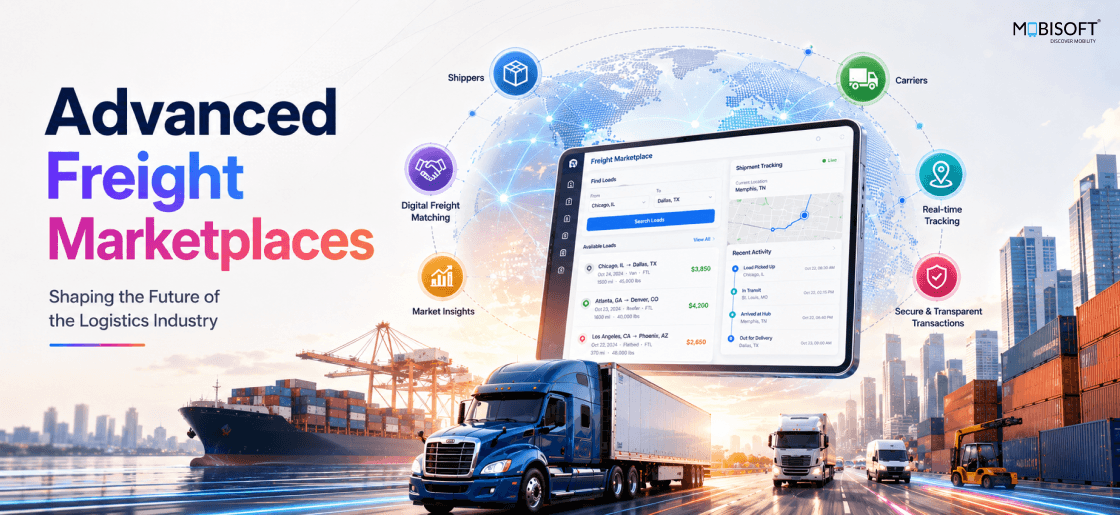
Freight still moves through phone calls and faxed rate sheets. Too many lanes still run on pure broker guesswork. Shippers post a load, then wait for callbacks. They cannot accurately verify quoted rates against real market conditions. Carriers chase the same loads through several broker relationships at once. Independent owner-operators make up a huge share of the driver pool. No single company controls enough volume to set fair standards. That fragmentation results in distrust, and in turn inflated commissions.
A well built freight marketplace replaces that entire chain with one direct connection. Shippers see real carrier options instantly. Carriers see real loads just as fast. Blockchain, AI, and telematics now make that transparency reliable at scale. This piece breaks down where logistics still breaks down. It also shows exactly how each gap gets fixed.
A Fragmented Industry Still Runs On Phone Calls
Logistics is one of the largest industries on earth. Yet no single player controls it. That structure creates a specific set of operational problems worth understanding first.
Small Carriers Outnumber Everyone Else
The largest 50 trucking companies handle only a modest slice of total freight activity. The remaining volume splits across thousands of small and mid-size fleets. None of these fleets share a common booking system by default. A working freight matching platform could connect them instantly. A shipper working three regions might juggle a dozen separate carrier relationships. Keeping freight moving under that setup takes constant manual coordination. Each new region adds another layer of contacts, rates, and paperwork to track.
Owner-Operators Run The Market Alone
Roughly one in nine American truckers works as an independent owner-operator. These drivers often lack the back office resources larger fleets take for granted. They rely heavily on brokers because finding direct shippers takes real time. Most owner-operators simply cannot staff a sales team on top of driving. A digital freight marketplace gives them direct shipper access without that overhead.
Brokers Fill The Gap, At A Real Cost
Brokers exist because fragmentation created a genuine need for coordination. That coordination comes at a price, often 15 to 25 percent per load. Shippers rarely see how that commission number gets calculated. Carriers rarely know if a better rate existed on the same lane. A transparent logistics marketplace would settle that question instantly. Neither side gets the transparency needed to negotiate on equal footing. Smaller shippers feel this imbalance more sharply than large enterprise accounts do.
| Fragmentation Metric | What It Means For The Industry |
| Top 50 carriers control a small share of freight | No dominant player can set consistent standards |
| One in nine truckers works independently | Direct shipper access is hard without a marketplace |
| Broker commissions run 15 to 25 percent | Margins shrink before a truck even leaves the yard |
Trust Is The Industry's Scarcest Resource
Fragmentation on this scale makes trust genuinely difficult to build. Even a strong online freight marketplace cannot fix that overnight. Both shippers and carriers end up depending on middlemen. That dependence feels safer than dealing with a stranger directly.
Brokers Sit Between Every Conversation
Most freight transactions still go through a broker rather than a direct call. Even a typical online freight marketplace cannot fully replace that habit yet. That structure hides pricing, capacity, and performance history from both sides. Neither party gets the full picture needed to negotiate fairly. A freight marketplace exists specifically to close that information gap. Over time, that opacity becomes the default way business gets done across the industry. New entrants often assume this is simply how freight works.
Blockchain Closes The Trust Gap
A freight matching platform built on blockchain works differently than a standard booking app. Every transaction, rating, and invoice gets recorded on a shared, tamper proof ledger. Shippers and carriers both see the identical record of what actually happened. No party can secretly edit history after a dispute begins. That permanence changes how both sides approach a brand new relationship. Trust builds faster when neither party can rewrite the record later.
Verified Records Change Buyer Behavior
Verified records turn a review from opinion into evidence. A carrier with a strong, blockchain verified history earns trust faster. Word of mouth alone simply cannot compete with a permanent record. This is what makes a digital freight marketplace different from a plain listing site. Shippers spend less time researching unfamiliar carriers before committing to a load. That saved research time adds up fast across dozens of monthly bookings.
Rate Volatility Punishes Both Sides
Pricing in freight has always felt more like guesswork than a real market. That volatility hurts shippers and carriers in different but related ways.
Guesswork Pricing Hides Real Costs
Some brokers steer shippers toward pricier carriers to increase their own commission. Fuel costs also swing sharply, and that volatility feeds straight into quoted rates. Shippers rarely know whether a quote reflects true market conditions. Carriers face the same blind spot from the opposite side of the same negotiation. Both parties end up negotiating against uncertainty instead of real numbers.
AI Builds Fair, Dynamic Spot Rates
Digital freight matching engines study lane history, live demand, and current fuel costs together. These models generate an instant, customized spot rate for the exact shipment in question. That rate reflects real conditions instead of one flat, generic number. Both sides walk away with a price built on actual, current data. A broker's rough estimate simply cannot compete with that accuracy.
Faster Deals Follow Accurate Numbers
Accurate pricing removes most of the back and forth that once stalled negotiations. Shippers and carriers now reach agreement in minutes instead of days. Marketplaces that close deals this fast see far more repeat bookings. A modern freight matching platform turns that speed into loyalty. The same accounts return again and again once trust builds. Repeat business keeps acquisition costs low for the platform operator as well.
The Empty Miles Problem Nobody Has Solved
Empty trucks remain one of freight's most expensive, most stubborn problems. The scale of the waste is genuinely hard to overstate.
Billions Of Loadless Miles Every Year
A well built freight marketplace targets this exact waste directly. American trucks travel tens of billions of miles annually without a paying load. That figure represents roughly a quarter of all truck mileage nationwide. Fragmentation and poor communication sit behind that number directly. No coordinated system exists to match every outbound and return trip automatically. Every one of those miles still burns fuel, time, and equipment life. Nothing comes back in return for that cost.
Telematics Turns Idle Trucks Productive
Telematics feeds drivers live information about loads near their current location. A truck dispatching system also improves efficiency by automatically matching trucks that complete a delivery with nearby return loads. That match happens in seconds instead of the hours a broker call might take. Fewer idle miles mean lower fuel spend. Drivers also log more productive hours behind the wheel each week.
Lane Density Closes The Remaining Gap
A freight marketplace works best when carriers cluster around specific lanes with high volumes. Telematics data reveals exactly where those lane gaps exist across a region. Marketplaces can then recruit carriers strategically instead of hoping the right truck shows up. Strong lane density becomes a genuine advantage over less organized platforms nearby.
Regulation And Delivery Pressure Are Colliding
Two separate pressures now push on carriers at the same time. Neither one is going away, and both add real operational cost.
Compliance Costs Keep Climbing
Federal, state, and local authorities all impose their own rules on carriers. Environmental concerns around fuel emissions have only intensified those requirements further. Meeting every rule manually eats hours that could go toward actual freight work. A connected online freight marketplace can sync much of that compliance data automatically. Every load then carries its own digital paper trail.
Fast Delivery Promises Strain Fleets
Fast shipping promises have become a genuine differentiator across e-commerce. That promise narrows delivery windows and adds real pressure on carrier capacity. Truckers often take on more work than they can realistically deliver on schedule. Delivery pressure and the resulting delays feed each other. That loop tightens further with every rushed booking.
Automation Absorbs What Brokers Cannot.
A single broker cannot manually track compliance and delivery windows across hundreds of loads. Automated platforms handle both without breaking stride during peak demand periods. That automation matters most exactly when volume spikes hardest across a network. This is when a freight marketplace earns its keep. Peak seasons are precisely when manual processes break down the fastest. Carriers using this technology stay compliant without sacrificing the delivery speed shippers now expect.
Building A Freight Marketplace That Actually Works
Solving every problem covered so far takes more than a simple booking app. It takes deliberate technology choices made early in the build process. Those choices matter before a single line of code gets written.
Three Layers Working As One
A capable digital freight platform needs blockchain, AI, and telematics working together. These three technologies should feel like one connected system, not three separate add-ons. Each layer solves a different piece of the trust and efficiency puzzle described above. Skipping any single layer leaves a real, exploitable gap in the platform. The three layers work best when planned together from the start. Bolting them on separately after launch rarely goes smoothly, and usually costs far more.
Find A Partner Who Understands Freight
Look for a partner with real experience across transportation management system providers. Freight specific platform experience matters just as much as general software skill. That combined background shortens development time on any freight marketplace build. It also avoids expensive rework later on. Ask for references from carriers or shippers operating at a similar scale. Their experience will echo the challenges your own project faces down the line. A vendor without direct freight experience often misses important details. Those gaps only surface once real transaction volume hits the platform.
Plan For Scale From Day One
Value added services, loyalty programs, and omnichannel tools belong on the roadmap early. Retrofitting these features after launch costs significantly more. Building them in from the start saves real money on any freight management rollout. A marketplace built with growth in mind avoids painful, expensive rebuilds down the road. Founders who skip this planning step often regret it within the first year.
What Carriers Gain From Connected Systems
A freight marketplace works even better when it connects a carrier's own tools. Two connections in particular make the biggest practical difference for a growing fleet.
Dispatch Data Lives In One Place
Carriers who connect their own system to a marketplace assign loads faster. The speed gain shows up within the first week of use. Dispatch data and marketplace data flowing together eliminates duplicate manual entry. A dispatcher sees new marketplace loads inside the same screen used every day. That single view removes a genuine, recurring source of daily friction. It used to cost dispatchers real hours before the freight marketplace connection existed.
Fleet Visibility Protects Reputation
Carriers running the best fleet management software catch mechanical issues early. Problems get flagged well before they cause a breakdown mid-route. Maintenance records, fuel logs, and driver behavior data all live in one connected system. That visibility protects on time delivery rates directly. Strong delivery rates, in turn, protect a carrier's marketplace reputation. Fewer breakdowns also mean fewer gaps in an otherwise reliable lane schedule over time.
What A Freight Marketplace Gets Right, And Where It Falls Short
A well designed logistics marketplace solves many of the problems covered so far. It does not solve every problem automatically. Shippers deserve an honest look at both sides.
Direct Connections Cut Out The Middleman
Marketplaces let shippers post a load once. Many carriers respond with offers within minutes. That single post replaces dozens of individual phone calls to different brokers. Carriers gain the same efficiency from the opposite direction. Both sides skip the markup that middlemen once charged for simple coordination work. That saved margin often gets reinvested into better equipment or better pay.
Booking Or Bidding, Not Both
A booking platform suits shippers who want a fixed rate locked in immediately. A freight bidding platform suits shippers willing to trade time for a better rate. Carriers competing for the same load tend to sharpen their pricing naturally. Shippers with flexible timelines often save real money by bidding instead. Urgent shipments still favor a fixed, guaranteed rate through a freight booking platform.
Carrier Quality Stays Unverified
- Ratings and reviews on many platforms remain difficult for outside parties to verify. Anyone can leave feedback with little accountability behind it.
- New carriers can join with no meaningful track record for shippers to reference. This puts the burden of vetting back on the shipper.
- A poorly rated carrier can sometimes resurface under a slightly different company profile. This undoes the trust the rating system was meant to build.
- Shippers new to a marketplace often still research carriers manually before committing. This defeats part of the platform's original purpose.
Spot Quotes Are Often Too Generic
Standardized pricing sounds fair until real market conditions change by lane and season. A freight booking platform offering one flat rate to every shipper ignores that reality. Businesses with unusual freight or tight timelines need pricing that reflects their actual situation. A generic quote rarely fits an unusual load. Generic quotes end up pushing these shippers back toward manual negotiation anyway.
| Capability | Basic Load Board | Technology Rich Marketplace |
| Pricing | Flat, standardized quotes | Dynamic, AI based spot rates |
| Trust | Self reported reviews | Blockchain verified records |
| Empty miles | No lane matching | Telematics based backhaul matching |
| Value beyond booking | Order matching only | Insurance, maintenance, loyalty tools |
The Broker's Role Is Shrinking, Not Disappearing
Marketplace technology removes many broker functions, but not all of them. Understanding what survives helps set realistic expectations for any transition.
Complex Freight Needs Human Judgment
Standard dry van freight matches well with automated systems today. A modern marketplace handles that share with ease. Oversized loads, hazardous materials, and multi-stop routes often still need human judgment. Even a well built digital freight marketplace cannot fully replace that judgment yet. A good broker adds real value on these harder shipments specifically. Marketplaces increasingly route simple freight through automation and reserve people for genuine complexity.
Relationships Still Matter Here
Some shippers value a long standing relationship with a trusted broker. That relationship carries institutional knowledge a new platform cannot replicate overnight. Smart marketplaces let brokers operate within the platform rather than compete against it directly. Hybrid models often outperform pure automation for large enterprise accounts specifically.
Most Volume Sits In The Middle Ground
Most freight sits somewhere between fully automated and fully manual today. A freight marketplace with strong technology handles the routine share automatically without friction. Human oversight stays available for exceptions, disputes, and unusual requests when needed. That balance, not full automation, describes where the industry realistically stands.
How Marketplaces Handle Disputes And Claims
Disagreements over damaged freight, missed windows, or unclear terms happen on any platform. How a marketplace handles these moments determines whether users stay or leave for good.
Documentation Settles Disputes Fast
Photo proof of delivery and timestamped tracking data resolve most disputes quickly. Both parties can review the identical record instead of arguing over memory. Blockchain based platforms add another layer of certainty to that shared record. Fewer disputes escalate into lengthy back and forth conversations. A well-run logistics marketplace keeps that record easy to find.
Clear Policies Prevent Confusion
Marketplaces that publish clear damage and delay policies avoid most confusion upfront. Shippers and carriers both know what to expect before a problem occurs. Ambiguous terms create far more disputes on a freight marketplace than damaged freight does. A well written policy page prevents more conflict than a support team can resolve.
Fast Resolution Builds Long Term Trust
Speed matters just as much as fairness when resolving a dispute. A claim that drags on for weeks damages trust regardless of the outcome. Marketplaces that resolve issues within days keep both parties engaged and returning. Carriers and shippers judge a platform by how it handles problems. Success alone tells only half the story.
Value-Added Services Separate Great Marketplaces From Average Ones
Order booking alone rarely keeps a carrier loyal to one platform for long. The strongest marketplaces build a real relationship beyond the transaction itself.
Bundled Insurance And Maintenance Tools
Carriers juggling insurance, maintenance, and compliance tools across separate vendors waste real time. A freight marketplace that bundles these services directly removes that friction entirely. Drivers get one login instead of five separate accounts to manage. That convenience alone keeps carriers coming back for their next available load.
Loyalty Tiers Reward Consistent Carriers
Driver classification and loyalty tiers reward carriers for consistent, reliable performance over time. A carrier who completes a hundred clean deliveries deserves tangible recognition for that record. Tiered access to premium loads gives that recognition real, practical value. A freight booking platform with tiers built in rewards loyalty automatically. Carriers who feel recognized tend to stay active on a platform far longer.
Gamification Turns Data Into Feedback
Analytics platforms can track driver behavior across braking, idling, and route efficiency automatically. Gamification layers turn that raw data into simple, motivating feedback for drivers. A driver who sees measurable improvement tends to stay engaged. That engagement compounds into long term platform loyalty. Freight management teams also gain cleaner performance data to act on directly.
Younger Drivers Want A Different Kind Of Platform
A freight marketplace succeeds only if enough drivers actively use it. The driver workforce keeps changing. Marketplaces built only for an older generation risk losing ground fast. Younger drivers expect a genuinely different kind of experience from the platforms they use.
Flexibility Now Matters More Than Miles
Younger drivers place a much higher value on work-life balance than earlier generations did. Many prefer working set hours and staying closer to home whenever possible. Jobs booked through a digital freight platform now make that lifestyle realistic. Traditional schedules with long hauls simply do not fit the old preference well anymore. Marketplaces that ignore this preference risk losing an entire generation of drivers. Warehouse and delivery jobs compete for that same talent.
Relay-Style Routes Fit Around Real Lives
Mobile technology now makes it possible to split one long delivery into shorter legs. Different drivers, each based near their own leg, complete the trip together. This relay model resembles a relay race more than a traditional long haul. A digital freight platform coordinates the handoff between drivers automatically. Drivers stay closer to home. The freight itself still moves the full distance right on schedule.
Chat, Social, And Mobile Alerts Matter
- In-app messaging resolves quick questions without a phone call or a wasted stop
- Push notifications keep drivers updated the moment a new load match appears nearby
- Familiar, social style interfaces feel more natural to drivers used to consumer apps
- Simple mobile onboarding gets new carriers active within their first day on the platform
Real-Time Shipment Tracking Changes The Buyer Conversation
Visibility, or the lack of it, defines nearly every conversation about a carrier. That gap decides trust long before a contract gets signed. Real-time shipment tracking addresses this persistent problem directly.
Supply Chain Visibility Remains Rare
Only a small share of businesses report achieving full supply chain visibility today. That gap creates real blind spots across planning, budgeting, and customer communication. A freight marketplace with live tracking closes much of that gap by default. Shippers finally see what is actually happening between pickup and final delivery.
Automated Alerts Replace Anxious Calls
Shippers no longer need to call a carrier just to check on a shipment. Automated alerts flag delays, detours, and early arrivals the moment they happen. This change replaces anxious waiting with clear, timely information delivered automatically. Customer service teams field far fewer status update calls as a result. Information simply reaches people before they need to ask for it.
Every Trip Adds To A Growing Record
Every completed shipment adds another data point to a growing performance record. Shippers use that history to plan smarter routes and negotiate better contracts. Carriers use that same real-time shipment tracking history to improve their own reliability scores. The value of the platform grows with every transaction it processes and records.
What A Marketplace Costs, And What It Saves
Shippers and carriers both want the real math before committing to a platform. The honest answer involves both a cost and a clear payoff.
Fees Vary By Platform Type
Public marketplaces typically charge either a flat subscription or a per transaction fee. Per transaction models suit occasional users better than frequent, high volume shippers. Subscription models suit carriers who use a freight marketplace every single day. Reading the fee structure carefully before joining saves real money down the road.
Savings Show Up Fastest In Empty Miles
Broker commissions and empty miles remain the two highest costs a marketplace addresses directly. A fleet cutting empty miles by even a few points sees meaningful annual savings. Better logistics automation makes that gap easier to close. Those savings usually outweigh subscription or transaction costs within the first several months. Carriers who track this one number closely see the payoff most clearly of all.
Count Time Savings Too
Hours spent on phone calls and manual paperwork rarely appear on a balance sheet. Any freight marketplace user still pays that hidden cost. That time still costs real money in staff hours and missed opportunities elsewhere. A marketplace that automates booking and tracking returns those hours directly to the business. Businesses that account for time savings build a far stronger case for switching.
Where Freight Marketplaces Are Headed Next
The technology covered so far already works today, in production, at real scale. A few developments on the horizon will push these platforms even further.
Smart Contracts Could Automate Payments
Blockchain platforms increasingly test smart contracts tied to delivery confirmation. Payment releases automatically once proof of delivery gets verified on the chain. That automation removes yet another manual step from an already long process. Any freight marketplace offering this feature gives finance teams faster, more predictable cash flow.
Predictive Models Keep Getting Sharper
AI models improve as more transaction data flows through a marketplace over time. Pricing accuracy and matching quality both improve with every completed shipment processed. Newer marketplaces start at a real disadvantage against platforms with years of data. That accumulated data advantage becomes a genuine, defensible edge over time.
Sustainability Data Will Matter More
Shippers increasingly track the carbon footprint of freight moved through any online freight marketplace. Marketplaces that surface emissions data alongside pricing give shippers a fuller picture. Carriers running newer, more efficient equipment may start winning more loads because of it. Environmental reporting requirements will only make this kind of data more valuable going forward.
Who Gains The Most From This Change
Every stakeholder in the freight chain gains something specific from this move toward technology. Those gains compound as more participants join the same connected network.
Shippers Get Leverage They Never Had
Shippers gain instant access to a wide, verified network through one online freight marketplace. One broker's limited list no longer sets the ceiling. Transparent, data backed pricing replaces the hidden markup brokers once built into every quote. Live visibility into every active shipment removes the need for anxious calls. Shippers get their afternoon back instead of chasing updates.
Carriers Get Steady, Fair Work
Carriers gain direct access to new loads without broker gatekeeping standing in the way. Smarter matching through a freight matching platform cuts empty miles significantly. Faster digital invoicing also improves cash flow noticeably. A verified reputation travels with the carrier across every completed load. That reputation becomes a real, portable asset over time.
Freight Forwarders Close Deals Faster
Freight forwarders gain faster quote turnaround through logistics automation built directly into the marketplace. Manual quote compilation gives way to instant, data backed responses for every incoming request. Forwarders who adopt this approach close measurably more deals each week. The time saved compounds fast across a full quarter.
Freight Marketplaces Are No Longer Optional
Manual logistics was never built to handle this much complexity. Brokers, phone calls, and guesswork all break down at scale. Every problem covered here traces back to one root cause. That cause is a lack of direct, verified information. A modern freight marketplace fixes that root cause directly. Blockchain replaces unverifiable reviews with permanent records. AI replaces flat broker quotes with fair, dynamic pricing. Telematics replaces empty return trips with matched backhauls.
None of this requires shippers or carriers to change who they are. It only requires better information, delivered faster, to the people who need it. Fragmented markets reward whoever removes friction first. Carriers and shippers who adopt this technology now gain a real edge. Everyone else stays stuck waiting by the phone.

Frequently Asked Questions
Can we still track shipments without new hardware?
You do not need extra equipment to get live shipment visibility. Real-time shipment tracking connects through the driver's phone and updates automatically as the load moves. You get accurate delivery windows without a single status call.
How does the platform decide on fair pricing?
We use AI models that study lane history, demand, and fuel costs together. This produces a digital freight matching rate built on current conditions, not guesswork. You get a number both sides can trust before agreeing to the load.
What happens if freight gets damaged in transit?
You get timestamped tracking data and delivery proof for every shipment. This documentation resolves most disputes quickly, since both sides can review the same record. Clear policies within the logistics marketplace prevent confusion before a claim even starts.
Do we choose between booking and bidding?
You get both options on the same platform. A fixed rate suits urgent loads, while bidding through the freight bidding platform suits flexible timelines. Carriers competing for your load often sharpen their pricing naturally.
How much visibility do we get into our own fleet?
Mobisoft builds fleet tools directly into the platform for this reason. You get maintenance alerts, fuel logs, and driver behavior data through one connected freight management system. Problems surface early, before they turn into missed deliveries.
This content is for informational purposes only and may include AI-assisted research or content generation. While we strive for accuracy, information may evolve over time. Readers are advised to independently verify critical information before making decisions.

Nitin Lahoti
Read more
Nitin Lahoti is the Co-Founder and Director at Mobisoft Infotech. He has 15 years of experience in Design, Business Development and Startups. His expertise is in Product Ideation, UX/UI design, Startup consulting and mentoring. He prefers business readings and loves traveling.
 Nitin Lahoti
 September 26, 2018