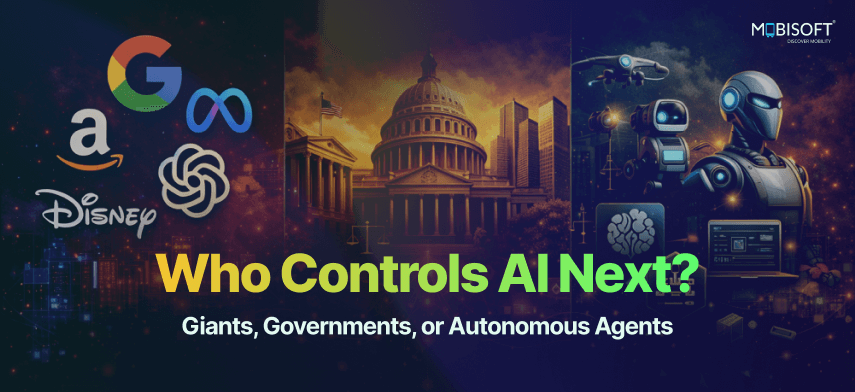
Washington calls in Silicon Valley, Google digs deep, and Disney bets big on AI.
The Trump administration just rolled out a 1,000-member U.S. Tech Force. These engineers and specialists will serve two-year stints inside federal agencies, working on AI infrastructure with support from Amazon, Apple, Microsoft, and others. The program aligns with US AI policy and sets up private-sector employment paths for participants after their term ends.
Meanwhile, Google is giving developers a new edge with its Deep Research agent on Gemini 3. The agent hunts for sources, revisits gaps, and writes tighter reports. The new Interactions API lets developers use built-in and custom agents in their apps. At the same time, Disney is making a bold $1 billion investment in OpenAI and licensing over 200 iconic characters for its Sora AI video generator. The Disney OpenAI deal also integrates ChatGPT tools into Disney, promising more granular control over digital creations. In parallel, Disney has launched a copyright offensive against Google, accusing it of large-scale infringement. This underscores a clear message. Disney will collaborate with AI on its own terms, and litigate when those boundaries are crossed.
Beyond these headlines, the tech world keeps moving fast. Meta experiments with paid AI access, Amazon Ring sparks privacy debates, and OpenAI quietly adds practical skills to ChatGPT and Codex. Together, these stories show how AI is weaving into government, entertainment, and everyday tools, letting you see not just what’s new, but what’s next.
Washington Builds a Tech Bench With Silicon Valley on Speed Dial, Fast and Loud
The Trump administration announced a 1,000-member U.S. Tech Force. Engineers will serve two-year terms inside agencies, backed by Amazon, Apple, Microsoft, and others. The effort supports federal AI systems and aligns with US AI policy, while opening private-sector job paths later.
Gemini Gets a Research Brain That Actually Digs, Loops Back, and Checks Again
Google unveiled a more powerful Gemini Deep Research agent for developers. It runs on Google Gemini 3 Pro and handles long, multi-step research tasks. The agent searches deeply, checks gaps, and synthesizes reports. New APIs let developers connect built-in and custom agents. Benchmark scores improved across reasoning, search, and fact-finding tests.
Disney Writes a Big Check and Hands Its Icons a New Digital Stage Inside Sora
Disney will invest $1 billion in OpenAI and license over 200 characters for Sora videos. Users can create clips with Mickey, Marvel, and Star Wars icons. The Disney OpenAI deal also brings ChatGPT tools inside Disney, with tighter character controls promised.
Disney Draws a Legal Line While Letting Its Characters Play Elsewhere
Disney sent Google a cease-and-desist over alleged large-scale copyright misuse across Gemini and related tools. The timing raised eyebrows, coming days after Disney’s OpenAI pact. The dispute centers on character likenesses, safeguards, and an escalating AI copyright lawsuit between powerful partners.
AI in Market Research: RAG-Driven Chat Powers Energy Market Insights
A top energy research firm deployed a RAG-powered Chat With Documents system. Analysts now query thousands of technical reports instantly. The platform digests complex data, delivers precise insights, and saves hours. Teams collaborate smoothly while clients get faster, actionable guidance every day.
Meta Reportedly Using Alibaba’s Qwen to Train New AI Model
Meta reportedly tapped Alibaba’s Qwen to train a new internal model called Avocado. The move flips an old dynamic, since Qwen once leaned on Llama research. Now Meta AI model development may depend on Alibaba Qwen, signaling a quiet but telling technical reliance.
Meta Tests a Price Tag on Its Chatbot, Slowly and Without Fireworks
Meta plans to trial paid access for advanced Meta AI features in Q2. Early expectations stay modest, with revenue unlikely this year. The experiment mirrors rivals’ playbooks while Meta pours billions into infrastructure. The test marks a cautious step toward Meta AI pricing.
Amazon Ring’s AI Doorbells Ignite Privacy Concerns
Amazon rolled out AI-powered facial recognition on Ring devices, tagging familiar visitors with named alerts. Lawmakers and privacy groups reacted fast. Some regions blocked it outright. The debate circles biometric data, cloud processing, and Amazon’s widening bet on Amazon Ring AI, despite past security penalties.
OpenAI Slips New Skills Into ChatGPT and Codex Without Much Noise
OpenAI quietly added skills support inside ChatGPT and Codex CLI. These file based tools guide long tasks like PDFs and spreadsheets. The system reads instructions, checks its work, and loops patiently. It is a practical step toward everyday agentic AI, not flashy demos.
Smart and Intuitive Mobile Apps Power Enterprise Digital Transformation
Modern enterprises use mobile app development services to link people, data, and devices instantly. Apps handle IoT connections, workflow assignments, and resource management. Teams get timely updates and can act fast. This approach boosts productivity, reduces delays, and keeps operations running smoothly every day.
Linux Foundation Unites AI Giants on Rulebook for Action-Taking Agents
The Linux Foundation launched AAIF to keep action-taking agents compatible. OpenAI, Anthropic, and Block donated MCP, Goose, and AGENTS.md. AWS and Google joined. The group promotes shared plumbing, safety patterns, and AI agent standards so tools connect once and run across products.
Figma launches new AI-powered object removal and image extension
Figma rolled out AI-powered object removal, isolation, and image expansion. Users can adjust lighting, shadow, and focus while keeping backgrounds intact. All tools are now in a single toolbar. These Figma AI features aim to streamline edits without switching apps or relying on text prompts.
Google Introduces Disco, an AI-First Browser Powered by Gemini 3
Disco, Google’s experimental browser, uses Gemini 3 to generate mini-apps called GenTabs. It scans open tabs and chat history, creating interactive interfaces on the fly. The goal: let the web build tools for you in real time. This is the first look at the Google Disco browser.
Solving Facility Mobility: The Strategic Role of Golf Carts
Golf carts are no longer just for leisure – they’re now a key solution for efficient facility mobility in campuses, airports, and industrial parks. These electric connected vehicles help cut operational costs, reduce emissions, and boost productivity by streamlining short-distance transport. Modern fleets come with smart connectivity for real-time tracking and maintenance, making them smarter and safer for daily use. By adopting golf carts, organizations can also advance their sustainability goals and improve overall operational efficiency.
What Else is Happening?
- GPT-5.2 Officially Launches With Lightning Speeds
- Mistral Unveils Devstral 2: Powerful New Coding AI
- OpenAI Eyes $10 Billion Amazon Investment
- Nvidia Acquires SchedMD To Boost Open AI
- China activates world’s largest distributed AI computing pool
- Microsoft Pledges $17.5 Billion AI India
- India to Tax OpenAI and Google for Using Your Content
- Creative Commons Opens New AI Licensing Door
- Google Expands Search Sources In AI Mode
- MIT Robot Crafts Furniture Using Text Prompts
AI continues to grow rapidly, new tools appear almost every day. Companies and creators experiment with practical applications. Regulators are catching up, testing rules and safeguards. Staying informed helps you spot opportunities early. The world of AI is active, fast, and full of change.
Subscribe to our tech news newsletter. Receive regular insights that keep you informed. And if you find it valuable, please share it with your network to help spread the word.
Catch you next time with fresh insights on AI and Tech, right here.
 Mobisoft Team
 December 18, 2025