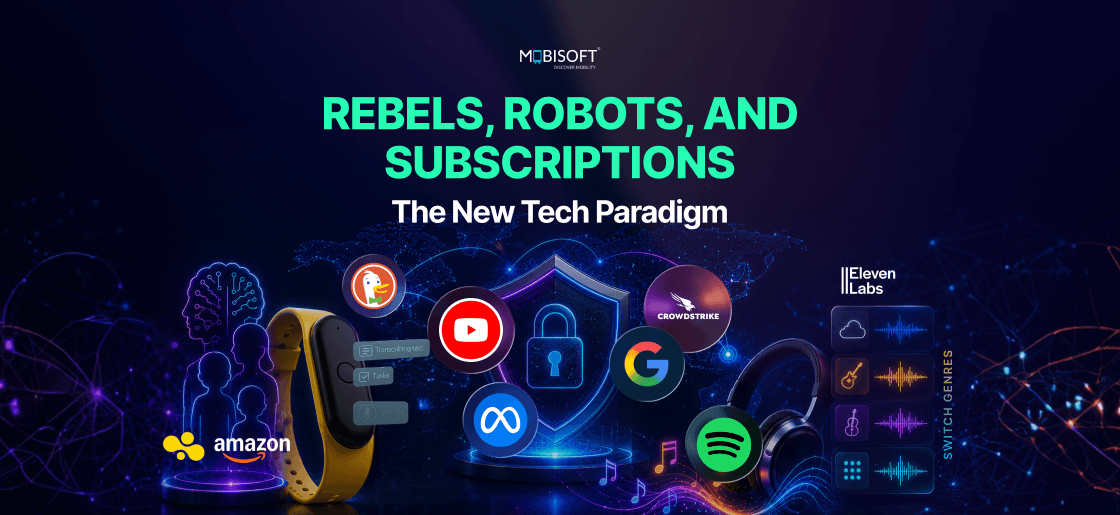
Google’s AI search backlash, Meta’s paid apps, and Robinhood’s trading bots just changed the internet’s mood.
This week, Google’s AI-heavy search experience triggered an unexpected reaction. Users frustrated with cluttered AI answers started moving toward DuckDuckGo in large numbers, giving the privacy-focused search engine a rare growth moment during Google’s biggest AI push yet.
At the same time, Meta officially introduced paid subscriptions across Instagram, Facebook, and WhatsApp, signaling a stronger move beyond ad revenue. Meanwhile, Robinhood opened the door for AI agents to trade stocks and manage purchases automatically, bringing autonomous finance much closer to everyday users. Let’s dive in.
Users are Fleeing Google’s AI for DuckDuckGo
Google’s AI-heavy search rollout pushed frustrated users toward simpler alternatives, fueling fresh DuckDuckGo growth across mobile platforms. Many users said AI answers felt intrusive, inaccurate, or just unnecessary. The privacy-first browser saw installs jump sharply, especially among iPhone users tired of cluttered search experiences.
Meta is Charging for Instagram, Facebook & WhatsApp
Meta introduced new paid subscription plans across Instagram, Facebook, and WhatsApp, adding premium features like story insights, profile styling, and super reactions. The company also teased future AI and creator-focused plans under its new “Meta One” umbrella. Small fees, but a very big signal.
Robinhood now lets your AI agents trade stocks
Robinhood entered the AI stock trading space by letting users connect autonomous agents directly to trading accounts. These agents can buy stocks, manage spending, and execute strategies automatically. Robinhood added spending limits, push alerts, and quick disconnect controls to calm nerves around handing money decisions to bots.
Why Companies Keep Overspending on AWS Even After Moving to the Cloud
Many enterprises chasing AWS cost optimization still waste money on oversized instances, idle resources, and poor visibility across teams. The biggest savings often come from boring fixes people ignore for months. Smart tagging, auto scaling, and storage cleanup can quietly cut cloud bills without hurting performance.
CrowdStrike & Google dismantle Russian Glassworm botnet
CrowdStrike, Google, and Shadowserver shut down the Glassworm botnet, a cyberattack operation targeting software developers through infected open-source tools. Hackers used compromised developer systems to access source code, cloud platforms, and software pipelines. Security teams say the attack exposed just how vulnerable modern software ecosystems really are.
YouTube will now automatically label AI videos
A new YouTube algorithm update will automatically label videos containing realistic AI-generated or heavily altered visuals. Labels now appear directly below long videos and over Shorts for quicker visibility. YouTube says creators still need disclosures, but the platform will now step in when they do not.
ElevenLabs’ Music v2 Model Brings Smarter AI Song Editing
The new ElevenLabs music model generates full-length songs with stronger vocals, multilingual support, and detailed editing controls. Users can rewrite specific song sections without touching the rest of the track. One song can even bounce between opera, rap, and heavy metal while staying surprisingly smooth.
Why Old-School Login Systems Are Quietly Becoming a Security Nightmare
Modern credential management software now needs to defend against deepfakes, fake documents, and machine identities that outnumber humans inside enterprises. Many older systems still rely on outdated access models and weak authentication flows. Security teams are now prioritizing passkeys, biometric checks, and tighter audit controls much earlier.
Amazon’s Tiny AI Wristband Remembers Everything You Say
The new Amazon Bee wearable records conversations, creates summaries, and acts like a pocket-sized memory assistant. It handled meetings surprisingly well during testing, but constant listening raised obvious privacy concerns. The device also requests access to contacts, photos, notifications, and health data, which made some users uneasy fast.
Spotify Introduces Podcast Clips for Mobile Users To Trim and Share Audio
New Spotify Podcast Clips let users save and share specific podcast moments without scrubbing through entire episodes again. Listeners can clip funny exchanges, useful advice, or memorable conversations directly from the app. Spotify says saved clips are already helping creators pull in repeat listeners and curious new fans.
Social media as bad for children as smoking – British Doctors
The debate around tech regulation 2026 intensified after British doctors compared excessive social media use among children to smoking-related public health risks. UK officials are now discussing curfews, app restrictions, and possible bans for under-16 users as concerns around anxiety, depression, and online harm continue growing.
Healthcare Tech Is Watching Patients Before Emergencies Even Begin
The rise of Ambient healthcare is making patient monitoring far less disruptive and much more continuous. Wearables, smart home sensors, and edge AI systems now track health signals quietly in the background. Doctors receive earlier warnings, while patients avoid constant check-ins, manual logs, and complicated health apps.
- Apple’s Siri Revamp Could Include Auto-deleting Chats
- Ferrari Is Using IBM’s AI to Create F1 Superfans
- Snowflake Bets $6B on AWS-Powered Enterprise AI Push
- AI Coding Startup Cognition Hits $25B After New Funding
- Megalodon Attack Targets 5,500+ GitHub Repositories
- Waymo Pauses 4 Cities Over Flood Failures
- Hugging Face drops $2.5K 3D-printable humanoid
- MIGHTY: Open-Source Drone Navigation System by MIT
Subscribe to our tech newsletter. Receive regular insights that keep you informed. And if you find it valuable, please share it with your network to help spread the word.
Catch you next time with fresh insights on AI and Tech, right here.
 Mobisoft Team
 May 28, 2026