A poorly performing fleet creates real problems for any business. For logistics and transportation companies, this problem sits at the center of daily operations. Running a fleet means managing many vehicles across shifting routes and schedules. That workload alone brings enough pressure without added guesswork.
Moreover, fuel prices keep changing and driver turnover disrupts route familiarity. Customers expect faster answers about delivery timing than before. Each of these pressures grows heavier when a fleet manager lacks accurate vehicle location data.
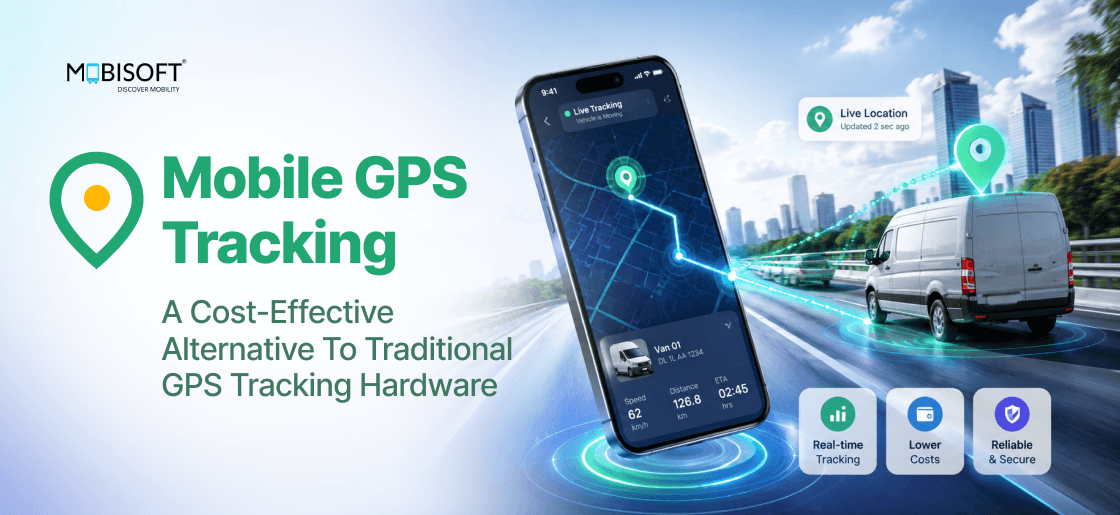
Mobile GPS tracking now solves that problem without costly hardware installs. Vehicle tracking through GPS has become a practical solution for these challenges. This holds true through fleet management software companies that centralize vehicle data in one dashboard. It gives fleet managers a dependable way to monitor operations. It also collects activity data that supports better decisions.
Two main paths exist for this kind of tracking today. One relies on hardware installed inside each vehicle. The other uses a mobile GPS tracking app running on a driver smartphone. This article looks at how the mobile approach works.
How Does A Mobile GPS Tracking Solution Work
A GPS tracking app may involve real engineering complexity behind the scenes. Yet the experience for drivers and managers stays simple. Modern platforms follow a quick setup process that takes only a few minutes.
Here is how a typical mobile GPS tracking software solution works in practice.
- Drivers install the tracking app on a smartphone and grant location permissions.
- The app begins real-time GPS tracking automatically, logging routes and driving patterns.
- A central dashboard shows every vehicle on a live interactive map.
That is the entire process from the driver's side. No wiring, no installation appointment, no waiting period. The app handles location logging and reporting once active.
Behind that simple experience, the app syncs location pings to a cloud server. The server processes the data and updates the dashboard within seconds. Fleet managers see movement almost as it happens. This near-instant sync sets a modern mobile GPS tracking app apart from older and slower tools.
Why This Matters More In 2026
Fleet operations have grown more distributed and data driven. Dispatchers now expect live location tracking as a standard feature. Customers expect accurate delivery windows instead of vague estimates. Insurance carriers increasingly ask for telematics data before offering competitive rates. A mobile GPS tracking system that installs fast fits how fleets operate today.
Field service companies show this shift clearly. A technician heading to a repair no longer waits on a call center. The customer gets an automated update once the vehicle nears the site. That responsiveness used to require a dedicated support team. Now it runs quietly inside a mobile GPS tracking software platform.
Benefits Of A Mobile GPS Tracking App
The advantages of a smartphone-based fleet tracking app go beyond convenience. Below is a breakdown of the benefits that matter most to fleet managers today.
An Affordable Solution
A mobile GPS tracking app removes the need for dedicated hardware. Nearly every driver already owns a GPS-enabled smartphone. Equipping a fleet with separate hardware trackers adds unnecessary expense. Drivers only need to install an app, with no added device cost.
Hardware-based GPS trackers typically cost between 20 and 60 dollars per unit. Mid-range OBD trackers cost more, plus monthly service fees per vehicle. A ten-vehicle fleet can spend thousands just on hardware before software fees begin. Mobile GPS tracking removes that upfront cost layer almost entirely. This explains why smaller fleets are adopting it faster than larger ones.
Smaller operators feel this cost gap most directly. A five-vehicle courier business rarely has budget set aside for hardware and installation labor. A subscription-based mobile app fits that budget more comfortably. Monthly cost scales with the number of drivers, not a large upfront outlay.
Increases Operational Efficiency
Mobile GPS tracking supports operational improvements that reduce breakdowns and scheduling conflicts. Fleet managers can plan delivery schedules more accurately using stored usage data.
Pairing GPS data with dispatch tools gives dispatchers more scheduling flexibility. Instead of managing rigid time slots, dispatchers focus on routes that make sense. Many fleets now pair this with a trucking management system. It combines location data with load assignments in one place.
A connected dispatch workflow also cuts down on radio chatter between dispatchers and drivers. When location data flows into the same dispatch screen, fewer manual check-ins are needed.
Quick Deployment
Traditional hardware installation involves scheduling an appointment and taking a vehicle out of service. Mobile GPS tracking skips that step entirely. Tracking begins the moment a driver installs the app. A fleet manager can onboard an entire fleet within a single day.
This speed matters most during periods of rapid fleet growth. A logistics company adding vehicles for a seasonal surge cannot afford installation backlogs. A mobile rollout scales at the same pace as hiring itself.
Helps Maximize Cost Efficiency
Mobile GPS tracking reduces costs across several areas of daily operations. Idling remains one of the largest contributors to wasted fuel. Commercial idling patterns cost fleets roughly 3,500 to 4,500 dollars per vehicle each year. A GPS tracking solution can alert managers the moment a vehicle idles too long. That gives managers a chance to correct the pattern early.
Fleets that adopt telematics tracking see fuel reduction of 10 to 15 percent. This happens within the first year of use. GPS data also supports lower CSA scores by documenting safer driving. That can reduce insurance premiums for both drivers and fleets. Commercial auto insurance rates rose close to 10 percent in recent years. Any documented reduction in risk carries real financial weight.
Consider a mid-size delivery fleet running thirty vans across a metro region. Even a modest 10 percent fuel reduction adds up across every route. Combined with lower insurance premiums, the cost case becomes difficult to ignore.
Improves Your Quality Of Customer Service
Every logistics operation aims to deliver faster while keeping service consistent. Live location tracking makes that goal achievable through live vehicle updates. A real-time location tracking app removes the guesswork dispatchers once relied on. Vehicle position updates continuously, not through scattered check-in calls. Managers always know where a vehicle sits. They can give customers a precise delivery window instead.
This precision matters more as customers expect same-day delivery windows. A dispatch management software platform pulls live GPS data and communicates timing automatically. That reduces manual status update calls significantly.
Retail and e-commerce delivery operations feel this benefit directly. A customer who gets a live tracking link trusts the estimate more. That trust reduces missed-delivery complaints and repeat support contacts. Both carry real cost across thousands of monthly deliveries.
Route Optimization
Separating profitable routes from routes that drain fuel matters greatly. GPS vehicle tracking software assigns optimized routes based on live traffic and priority.
This function helps fleets avoid long or congested routes. It lowers fuel consumption and shortens delivery times together. Dispatching the nearest available vehicle can cut daily drive time. The savings run 15 to 20 percent compared to fixed rotation.
Route optimization also plays a growing role in sustainability reporting. Fleets under pressure to reduce emissions can point to shorter routes as measurable progress. That data comes straight from a mobile GPS tracking app.
What Has Changed In Mobile GPS Tracking Since Hardware Dominated The Market
The gap between hardware trackers and mobile tracking software has narrowed sharply. Smartphone sensors have improved and mobile networks now provide steadier coverage. App-based platforms have matured into full fleet management suites.
Five years ago, a mobile tracking app answered one question. That question was where a vehicle sat at a given moment. Today the same app answers questions about safety, fuel efficiency, and maintenance timing. All of that comes from data the phone already collects.
A few shifts stand out for fleet managers comparing options in 2026.
- AI-powered driver scoring flags harsh braking and distracted driving without extra hardware.
- Dash cam integration has become common, cutting at-fault accident claims by 20 to 40 percent.
- Predictive maintenance alerts use usage data to flag service needs before a breakdown.
These additions mean a mobile GPS tracking app does far more than track a pin. It functions as a full safety and maintenance tool built around passive data.
The table below compares the two approaches across the factors managers weigh most.
| Factor | Hardware GPS Tracker | Mobile GPS Tracking App |
| Setup time | Days to weeks per vehicle | Minutes per driver |
| Upfront cost | Device purchase plus installation | No device cost |
| Feature updates | Often requires new hardware | Delivered through app updates |
| Best fit | Unattended trailers, high-value assets | Driver-operated vehicles |
This comparison does not mean hardware trackers have no place left in fleets. It shows where each approach earns its keep. That helps managers avoid paying for capability they do not need.
Feature update speed deserves a closer look here. A hardware tracker often needs a firmware update or a full device swap. A mobile app updates the same way any other app does. New capability reaches every driver overnight, with no service visit required.
Does Mobile Tracking Match Hardware Accuracy Today
Fleet managers often ask if phone-based GPS matches dedicated hardware accuracy. Modern smartphones use multi-constellation GPS chips pulling from GPS, GLONASS, and Galileo. This gives accuracy within a few meters under normal conditions. That precision now matches or exceeds many entry-level hardware trackers.
Battery drain and signal loss in remote areas remain real limitations. Fleets running routes through weak cellular coverage may benefit from a hybrid approach. That pairs a mobile app with hardware units on high-value assets. For most delivery and service fleets, phone-based accuracy is no longer a real drawback.
Battery concerns have also eased as apps grow more efficient. Well-built tracking apps adjust ping frequency based on vehicle speed. This conserves battery during idle periods without sacrificing accuracy in motion. A driver working a full shift rarely notices any battery impact.
Cellular dead zones remain the harder problem to solve. Rural delivery routes and industrial job sites sometimes lack reliable signal. Apps built for fleets now cache location data locally during these gaps. The data uploads automatically once signal returns, so no history is lost.
Additional Features Worth Integrating With A Fleet Management App
Beyond core tracking, several features turn a location app into a full platform. It becomes a complete mobile tracking software solution for fleets.
Inspections And Issue Reporting
Operators and mechanics can complete inspections through the app at any time. They can attach photos and add written notes on vehicle condition. This keeps fleets compliant with safety regulations and removes paper-based reporting.
A driver who spots a worn tire during inspection can log the issue immediately. That single step runs through mobile GPS tracking. It prevents a small issue from becoming a roadside breakdown.
Automated Alerts
Automated alerts notify drivers about events as they happen through mobile GPS tracking. A manager can configure alerts for low fuel or extended idling. These notifications reduce the need for constant manual monitoring.
Geofence Alerts
Geofencing built into mobile GPS tracking draws a virtual boundary on the map. It notifies managers when a vehicle enters or exits that zone. This feature helps prevent theft of vehicles and cargo. It also automates communication between drivers and dispatchers.
Vehicle theft in the United States has climbed past one million incidents a year. Geofencing has become a practical safeguard rather than an optional extra. GPS-equipped vehicles recover at rates well above 80 percent. That compares to roughly 34 percent for untracked vehicles.
Telematics Integration
Modern vehicles generate steady data through onboard sensors. This includes engine temperature, fuel level, and diagnostic codes. Integrating this telematics data helps fleet managers maintain vehicle health. Drivers also gain real-time visibility into performance metrics.
Unplanned repairs typically cost three to five times more than scheduled maintenance. Telematics integration gives managers early warning signs. Managers can then schedule service before a small issue turns costly.
A fuel level sensor flagging inconsistent readings might point to a leak. An engine temperature spike during normal driving could signal a cooling problem. Catching these signals early keeps vehicles on the road longer.
Renewal And Service Reminders
Renewal reminders inside a mobile GPS tracking app help managers track key dates. This includes registration renewals and warranty expirations. Service reminders flag upcoming or overdue maintenance work. Managers can create or update reminders as fleet needs change.
Dispatch Work Orders And Vehicle Assignments
An integrated dispatch system lets managers send work orders directly to drivers. Managers can confirm service availability and reassign drivers when schedules shift.
During peak seasons, this flexibility becomes especially valuable. A manager handling a surge in same-day orders can reassign drivers in seconds. Holiday shipping windows and weather disruptions both create this kind of pressure. Fast reassignment through mobile GPS tracking keeps deliveries on schedule despite the chaos.
Barcode Scanning
Barcode scanning within a mobile GPS tracking app lets drivers complete certain payments. This includes toll charges, handled by scanning a code. The same feature gives drivers quick access to asset details through the camera.
Driver Behavior Tracking
Fleet managers need confidence that drivers represent the company well. Driver behavior tracking monitors patterns like harsh braking and aggressive lane changes. This feature has grown more sophisticated with AI scoring models.
Scoring trends over weeks gives a more honest picture than single incidents. A driver braking hard once during an emergency differs from a repeat offender. Modern scoring models are built to tell those situations apart.
Route History
Route history within mobile GPS tracking stores a complete record of every path. Managers can review this data at any time. It supports both route optimization and fuel management over time.
Maintenance And Fuel Logs
Drivers can log maintenance work and fuel purchases through mobile GPS tracking with ease. Managers can then review historical records to identify trends. This helps them spot rising costs early and plan budgets accurately.
In-App Messaging
A secure messaging system built into mobile GPS tracking lets managers reach drivers directly. It avoids reliance on personal phone numbers or outside apps. This keeps communication logged and easy to reference later.
Keeping communication inside the same platform as location data creates a useful audit trail. If a delivery dispute arises weeks later, managers can pull the exact message thread. They can review it alongside the route history for that job.
Choosing Between Mobile Tracking And Hardware Trackers
Fleet managers evaluating a GPS tracking solution face a different decision than before. Hardware trackers still make sense for certain use cases. This includes high-value trailers or equipment left unattended for long stretches.
For fleets built around drivers carrying smartphones, the picture changes. A mobile GPS tracking app now covers nearly every function a hardware unit once handled. It does this at a fraction of the setup cost. The decision often comes down to one question. Does the tracked asset have a person attached who carries a phone daily? If yes, mobile tracking usually wins on cost and speed.
Enterprise fleets running mixed operations often land on a blended setup. Drivers use the mobile app for daily tracking and reporting. High-value stationary assets keep a dedicated hardware unit for continuous monitoring. This blended model avoids paying for hardware where it adds little value.
Construction and equipment rental businesses often fit this pattern well. Trucks and vans stay covered through the driver app. Generators, trailers, and heavy machinery keep separate hardware trackers instead. Each asset type gets the coverage it actually needs.
What would it take for your fleet to run without daily guesswork? For many managers, the answer is a tracking app already in every driver's pocket.
What Return On Investment Looks Like In Practice
Fleet managers considering mobile GPS tracking want a sense of payback timelines first. Recent industry data offers a useful benchmark here. Roughly 71 percent of fleets recoup their tracking investment within twelve months. This comes from fuel savings, reduced overtime, and fewer theft-related losses.
For a ten-vehicle fleet, typical annual savings fall between 15,000 and 30,000 dollars. Those savings come from fuel efficiency, route optimization, and reduced idling. Results shift based on route density and vehicle type. Consistency in acting on the data also plays a role.
Getting The Most Out Of The First Ninety Days
The value of a mobile GPS tracking app depends on early data use. A few practices separate fleets that see strong returns from those that do not.
- Set clear idling and speed thresholds early, rather than relying on default settings.
- Review route history weekly during the first quarter to catch inefficient patterns.
- Share driver scorecards directly with drivers to improve behavior faster.
Fleets that treat the app as an active management tool see stronger results. That approach consistently leads to faster payback and long-term savings.
Wrapping Up
The benefits of a smartphone-based fleet tracking solution should be clear now. Mobile GPS tracking outperforms traditional hardware in the range of features you can add. A single app covers far more ground than a standalone GPS unit. Costs stay lower and efficiency stays high. The operational impact becomes visible within weeks of deployment.
Fleet managers can start tracking their fleet almost immediately, without hardware delays. Fleet management software companies keep building smarter mobile platforms. The case for switching keeps getting stronger.
Fleet managers weighing this decision today have more evidence than ever before. Adoption data, fuel savings figures, and insurance trends all point the same way. A tracking app sitting in a driver's pocket is no longer the smaller alternative. For most fleets, it has become the more capable option.

Frequently Asked Questions
Does Mobisoft Infotech help us switch from hardware trackers without disrupting operations?
Yes. We manage the transition end to end without pausing daily operations. We provide mobile GPS tracking setup that runs alongside your existing hardware during rollout. You get a smooth handover with no gap in vehicle visibility.
How quickly can Mobisoft Infotech get our fleet tracking live?
We get most fleets live within a single day of onboarding. Drivers install the mobile GPS tracking app and grant permissions. You get full visibility without waiting on installation crews.
Will a mobile GPS tracking app work reliably in areas with weak signal?
Yes. We build the app to handle patchy coverage without losing data. Our GPS tracking app caches location information locally during dead zones. You get complete route history once the signal returns.
Can Mobisoft Infotech customize the GPS tracking software for our fleet size?
Yes, we scale the platform to fit fleets of any size. We configure the GPS tracking software around your vehicle count, routes, and driver workflows. You get a setup built around how your fleet actually runs.
How accurate is real-time GPS tracking compared to hardware units?
Modern smartphones now match most hardware trackers on accuracy. We offer real-time GPS tracking built on multi-constellation GPS chips for precise positioning. You get location data accurate within a few meters under normal conditions.
This content is for informational purposes only and may include AI-assisted research or content generation. While we strive for accuracy, information may evolve over time. Readers are advised to independently verify critical information before making decisions.

Nitin Lahoti
Read more
Nitin Lahoti is the Co-Founder and Director at Mobisoft Infotech. He has 15 years of experience in Design, Business Development and Startups. His expertise is in Product Ideation, UX/UI design, Startup consulting and mentoring. He prefers business readings and loves traveling.
 Nitin Lahoti
 February 1, 2019