






 Use-case complexity and accuracy goal






















Our computer vision solutions read images and video the way trained inspectors do.
Our custom computer vision development covers model building, deployment and every step in between.
Models built on convolutional neural networks and trained on labeled images your cameras already capture each day.
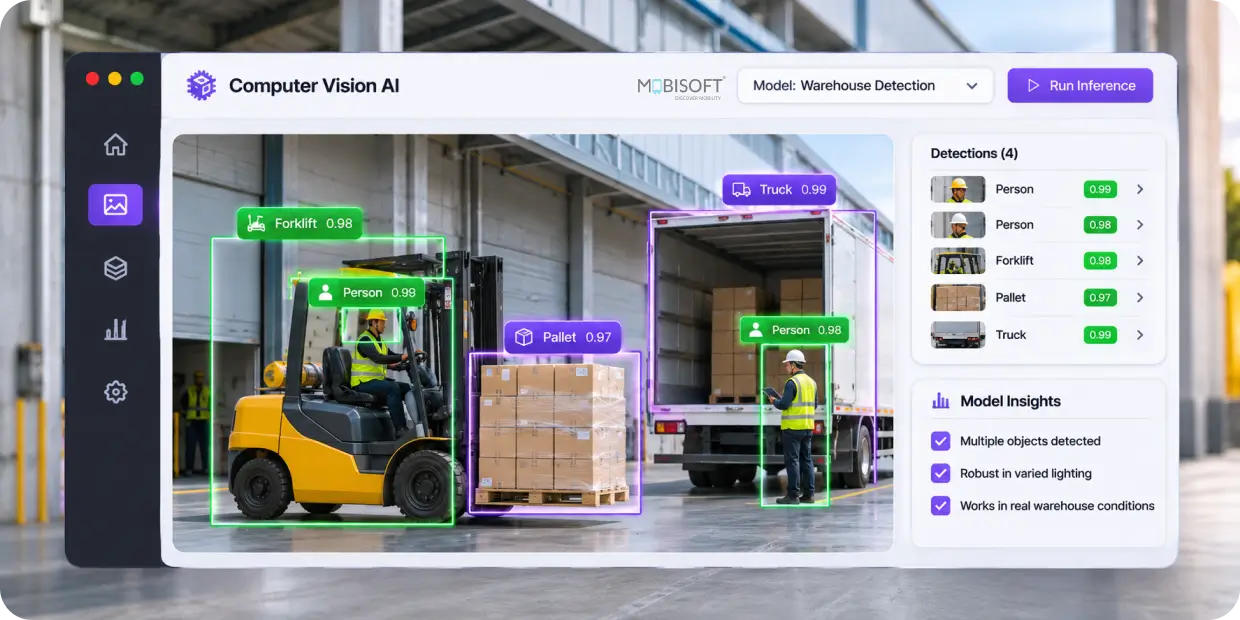
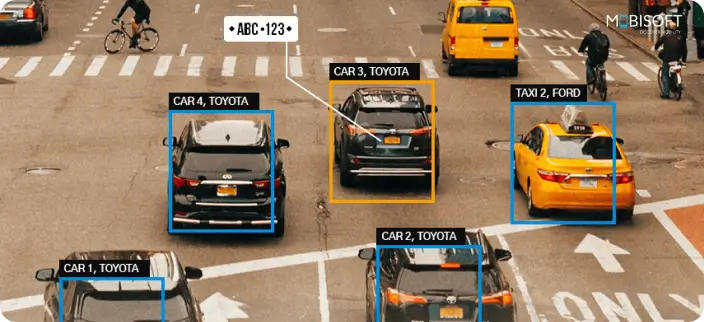
Locate and follow people, vehicles, pallets or parts across frames, with counts and movement paths logged per feed.
Live camera feeds produce alerts on crowding, idle machines and restricted-area entry within seconds of each event.
Pixel-level outlines of objects and regions, giving precise measurements of wear, coverage or surface area on site.
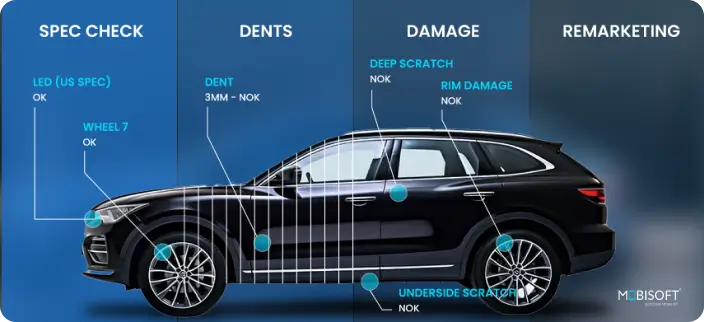
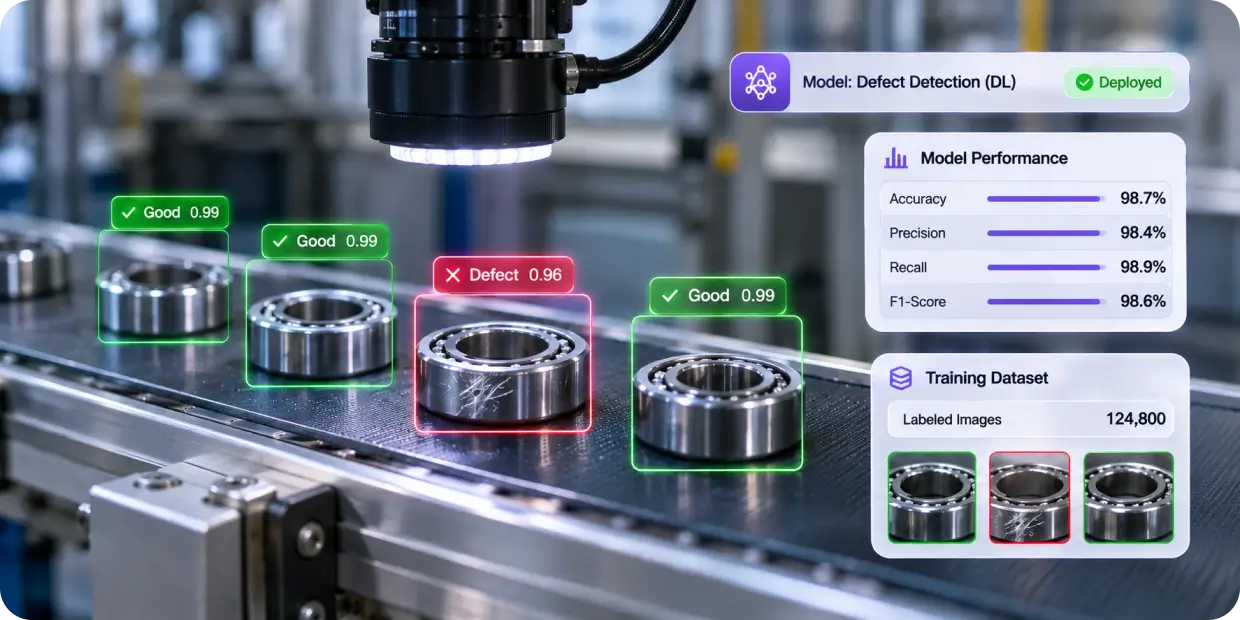
Camera-based automated quality inspection that catches surface flaws and assembly errors on the production line.
Sort images into categories such as product type, damage level or document class, at volumes no team can review.
Labels, serial numbers, license plates and meter displays read from each camera.
Shoppers or field staff snap one photo and find matching products, spare parts or catalog items from your range.
Work with a team that delivers end-to-end computer vision AI development services.
Talk to Our ExpertsChoosing between image processing and computer vision AI development affects cost and accuracy.
Practical ways enterprise computer vision solutions reduce manual checks and costly errors.
Shelf gap alerts, planogram checks and checkout counts.
Fit checks and computer vision defect detection per unit.
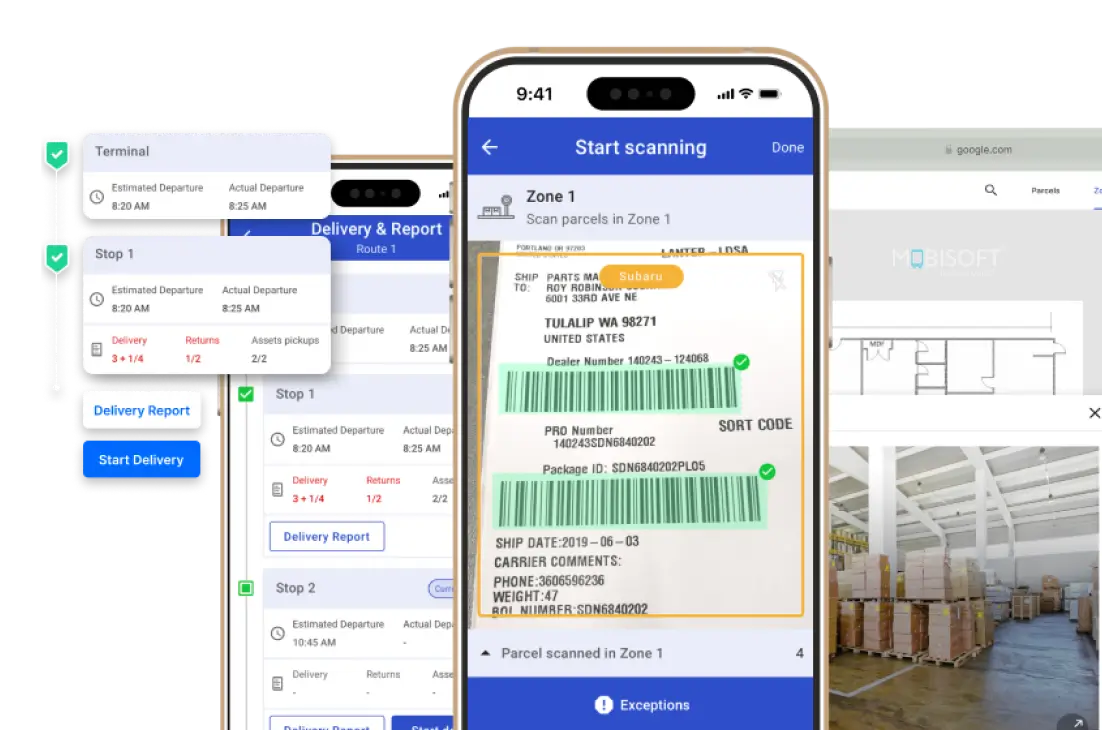
Parcel scans and live computer vision inventory tracking.
Vehicle counts, lane monitoring and parking space alerts.
Hard hat checks, site progress photos and equipment use.
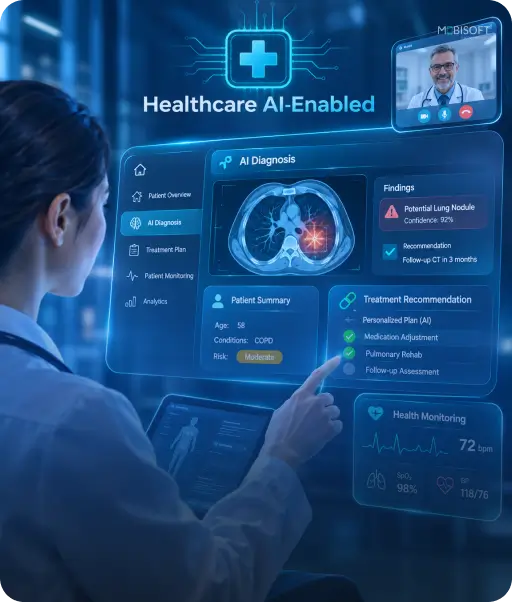
Imaging workflow support and ward hand hygiene tracking.
Enterprise AI projects that show how our engineers deliver in production.
We test object detection models and classifiers under the conditions your sites actually face.
mAP and IoU scores show how precisely models find objects.
Pixel overlap checks confirm boundaries match real edges.
We balance missed defects against good parts sent to scrap.
Latency and frames per second must meet line speed targets.
Engineers vary light, camera angle and motion before launch.
Our model drift monitoring alerts teams when accuracy falls.
Outcomes teams gain from AI-powered quality control and visual monitoring across operations.
Automated visual checks shorten inspection cycles without adding headcount.
The same inspection criteria apply across every site, team and time of day.
Teams review only flagged exceptions, freeing hours once spent on footage.
Camera-based counts keep stock records current and cut reconciliation work.
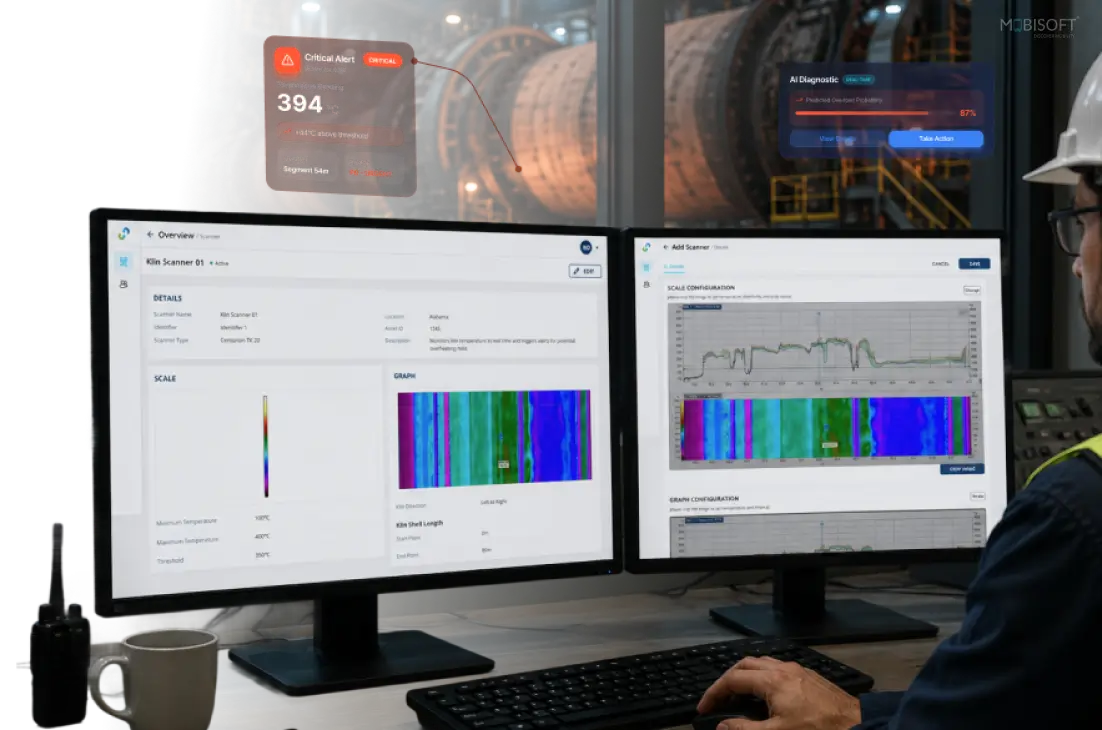
Early issue detection limits rework, scrap and downstream quality costs.
Leaders track activity, throughput and asset status in a single dashboard.
The frameworks, models and hardware behind our deep learning for computer vision work.
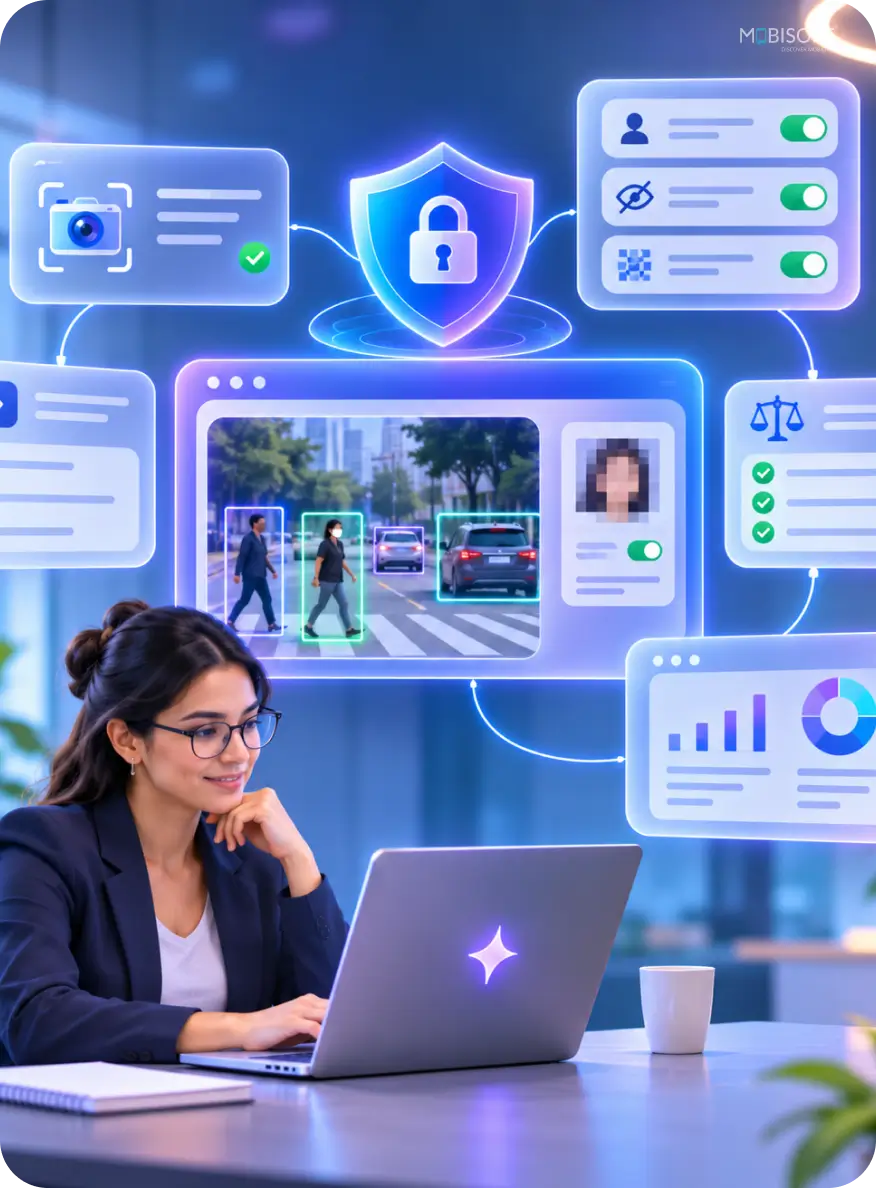
Explore All TechnologiesPrivacy controls built into every computer vision application development project from day one.
Role-based permissions for viewing live feeds, clips & model outputs.
We build face recognition only where law, consent and clear purpose allow it.
Your policy sets how long footage is kept, and the system deletes the rest.
Signage and in-app notices tell people when cameras see activity.
We test across skin tones, clothing and settings to find any uneven accuracy.
Trained staff verify high-stakes alerts before any action affects a person.
Each phase of our computer vision model development ends with a clear sign-off.
We pick the visual task, success metric and pilot site.
Assess image quality, angles, volume and gaps.
Annotators run image annotation with QA checks.
Data scientists train, and compare candidate models.
We run each model on the live line before full rollout.
Team deploys models, then retrains on change.
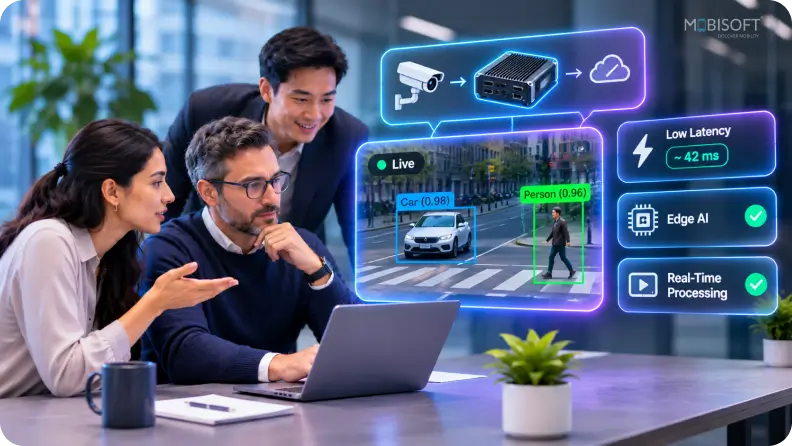
Process video where it's captured with edge AI computer vision built for low latency.
Labeling effort, hardware and real-time needs weigh most on computer vision development cost.
Footage review and a scoped plan with cost and timing.
One camera and one use case to prove accuracy on site.
Models, apps, integrations and edge setup in one build.
CV specialists who join your team on a monthly basis.
Engineers taking AI computer vision development from camera to dashboard.
On-device vision shipped in native iOS and Android apps
Edge, cloud or hybrid setups matched to each location
Labeling, model training and releases handled in-house
Models tested on your own footage before a complete rollout
ISO 27001 and SOC 2 Type II controls on all your visual data points
Integration with your ERP, MES and warehouse platforms
Our computer vision AI development services plug vision models into your apps and dashboards.
Plan Your IntegrationIn most cases, yes. Our computer vision development services connect to standard IP cameras through RTSP streams and assess whether resolution, frame rate and placement suit the task. Some use cases need a closer angle or better lighting. When that happens, we recommend the smallest hardware change that meets your accuracy target.
Running costs cover compute, footage storage and computer vision MLOps such as monitoring and retraining. Edge setups move spend toward one-time hardware, while cloud setups carry monthly compute bills. We include a run-cost estimate with every proposal, so finance can compare options before you commit.
Ready-made APIs work well for common tasks, such as general labels or reading printed text. They struggle with your specific parts, defects or packaging. A custom model fits when accuracy on your own items matters. We often benchmark both options before recommending custom image recognition development.
Payback depends on what the system replaces. Projects built around AI visual inspection solutions often justify themselves through lower scrap, rework or manual review hours. We measure your current baseline during discovery and agree on the metric that proves value. Leadership then has one clear number to track.
Usually not. Most computer vision for manufacturing installs mount alongside the existing line, scheduled during maintenance windows or crew changeovers. The system first runs in shadow mode, watching without acting. Your team can then compare its calls against current inspections before anything changes on the floor.
Your line keeps running. As a computer vision development company, we design every setup to fail safely, so production falls back to manual checks and staff get an immediate alert. Edge devices keep recent footage locally, and monitoring flags hardware or software faults before they turn into long outages.
That depends on speed and location. Batch analysis can run in the cloud with your current cameras. Real-time edge inference usually needs a compact GPU device, such as an NVIDIA Jetson, placed near the cameras. We size the hardware during feasibility, so you buy only what the use case requires.
Our computer vision services offer support plans that match your operating hours, including coverage for round-the-clock sites. Monitoring alerts our engineers when accuracy or device health drops, often before your team notices. Severity levels set response times, so a stopped line always gets attention first.
Discover the latest insights and trends from our AI experts to make an informed decision.
Combine our AI image processing services with strategy, automation and integration expertise.