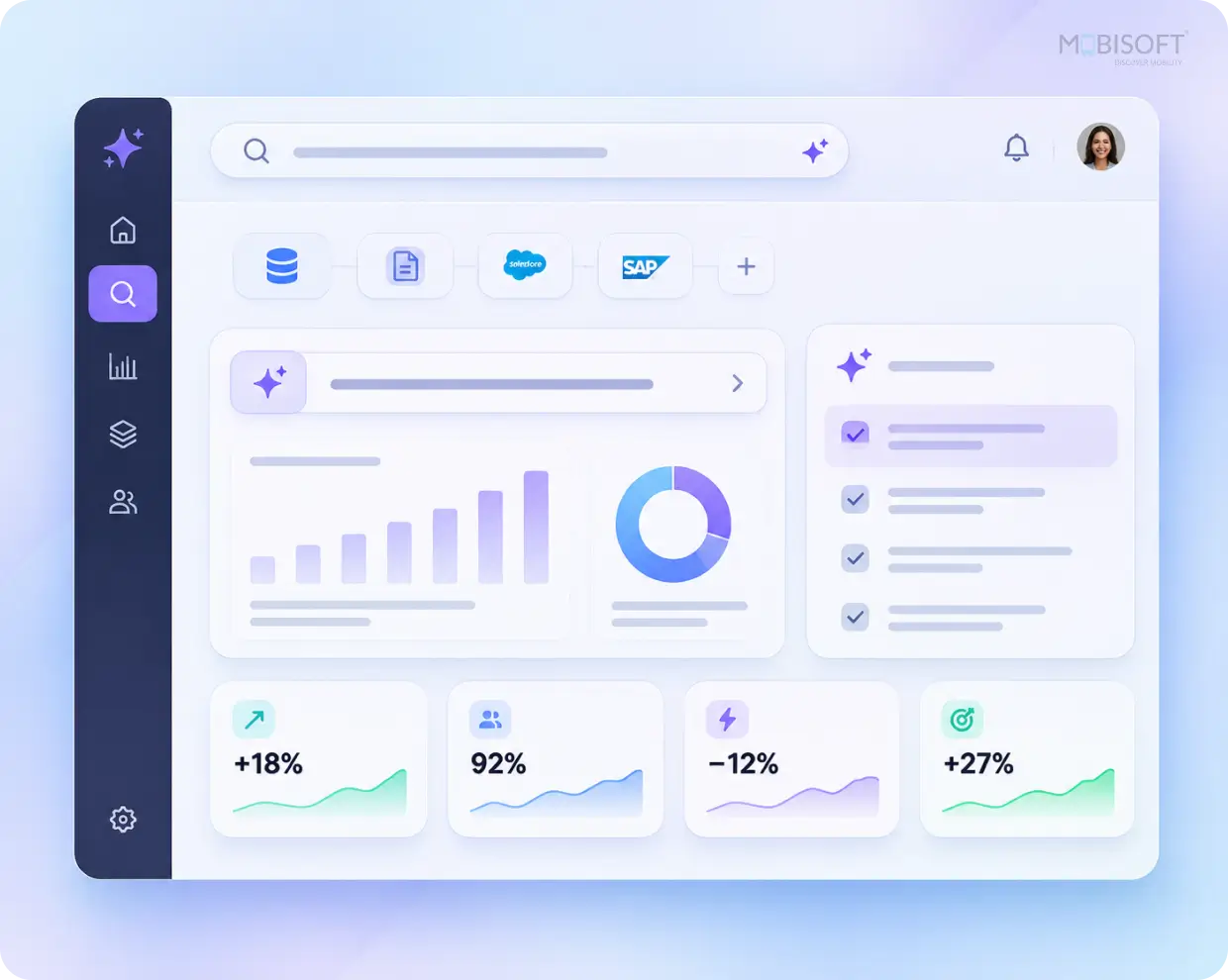
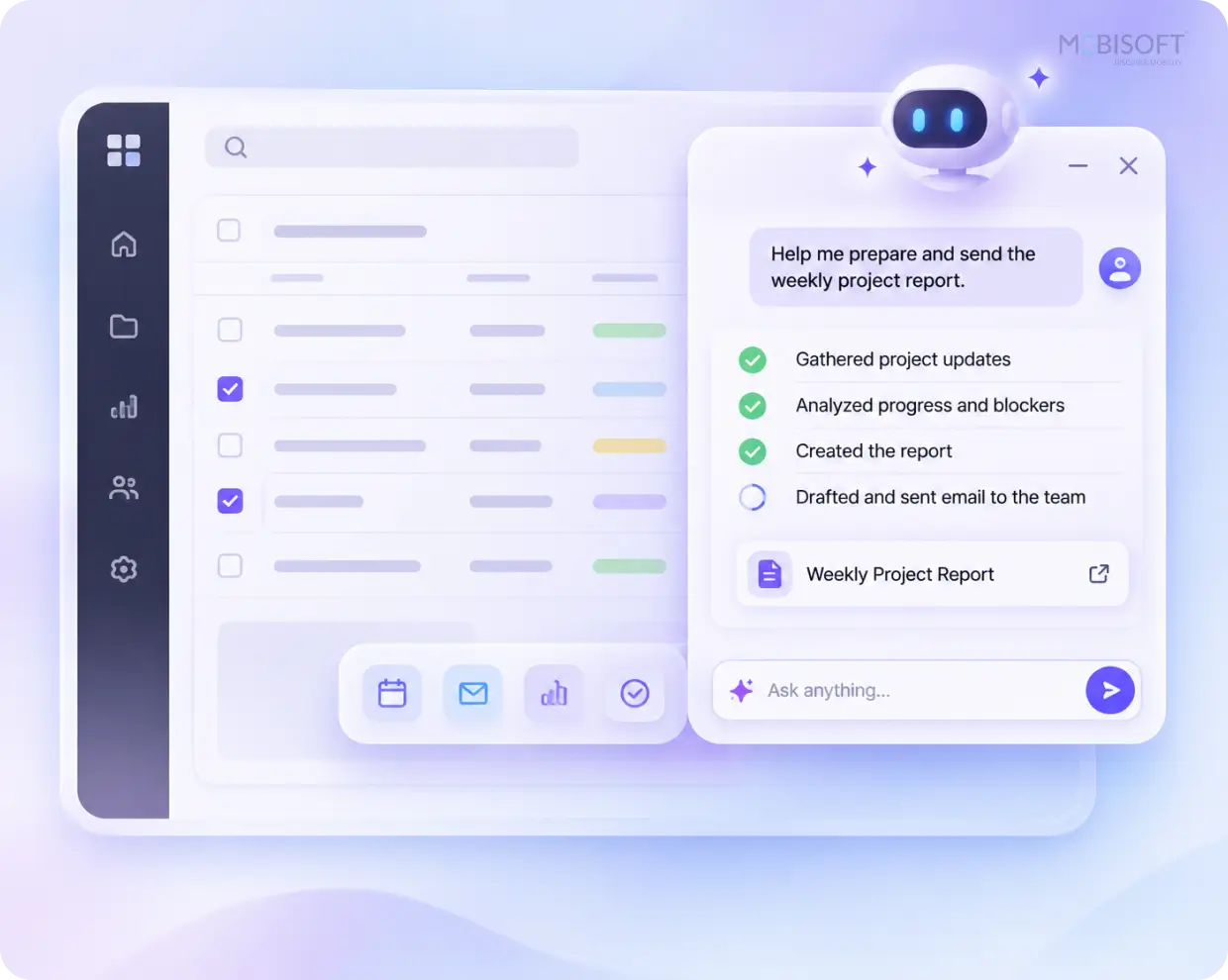
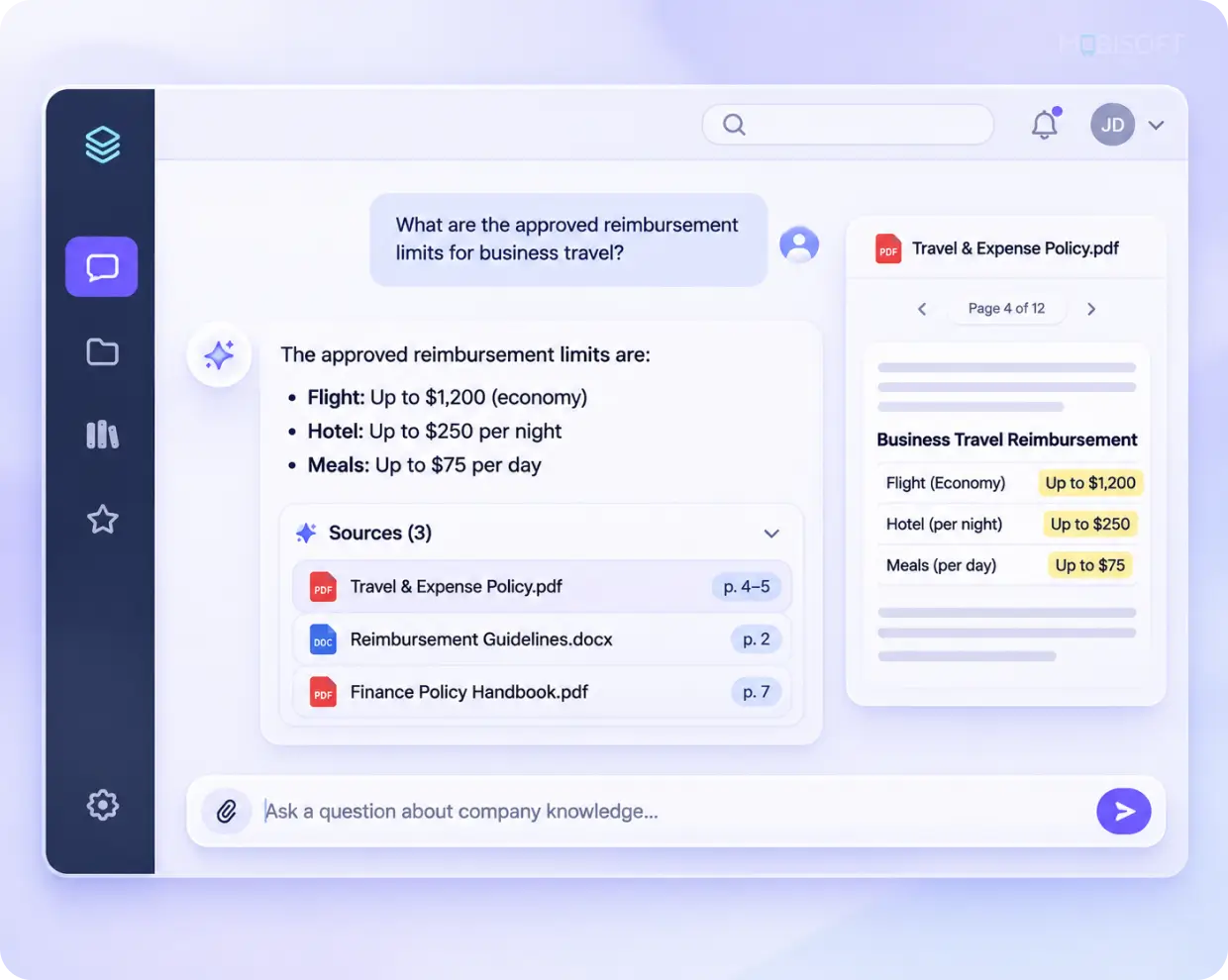
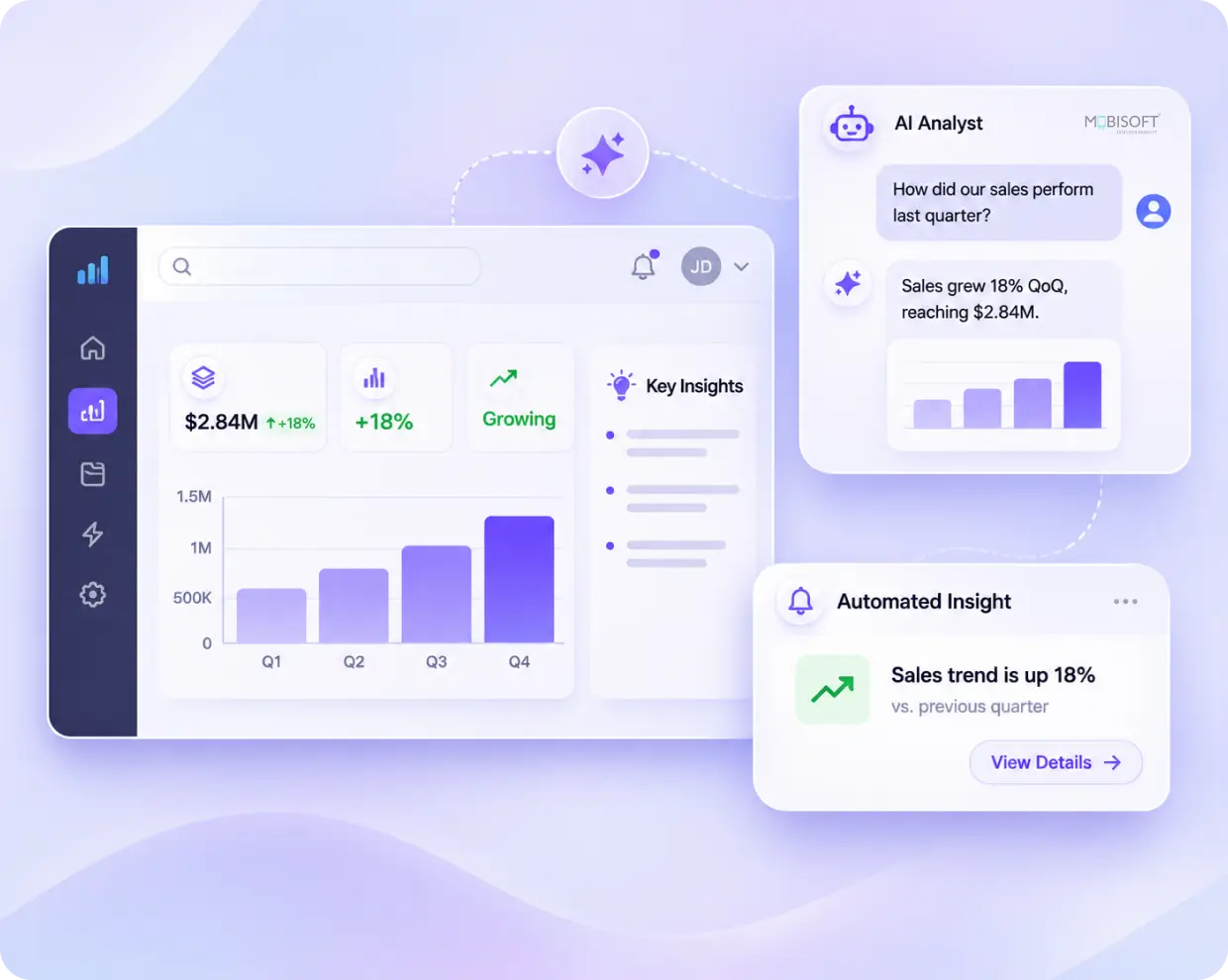










 Product complexity and feature scope


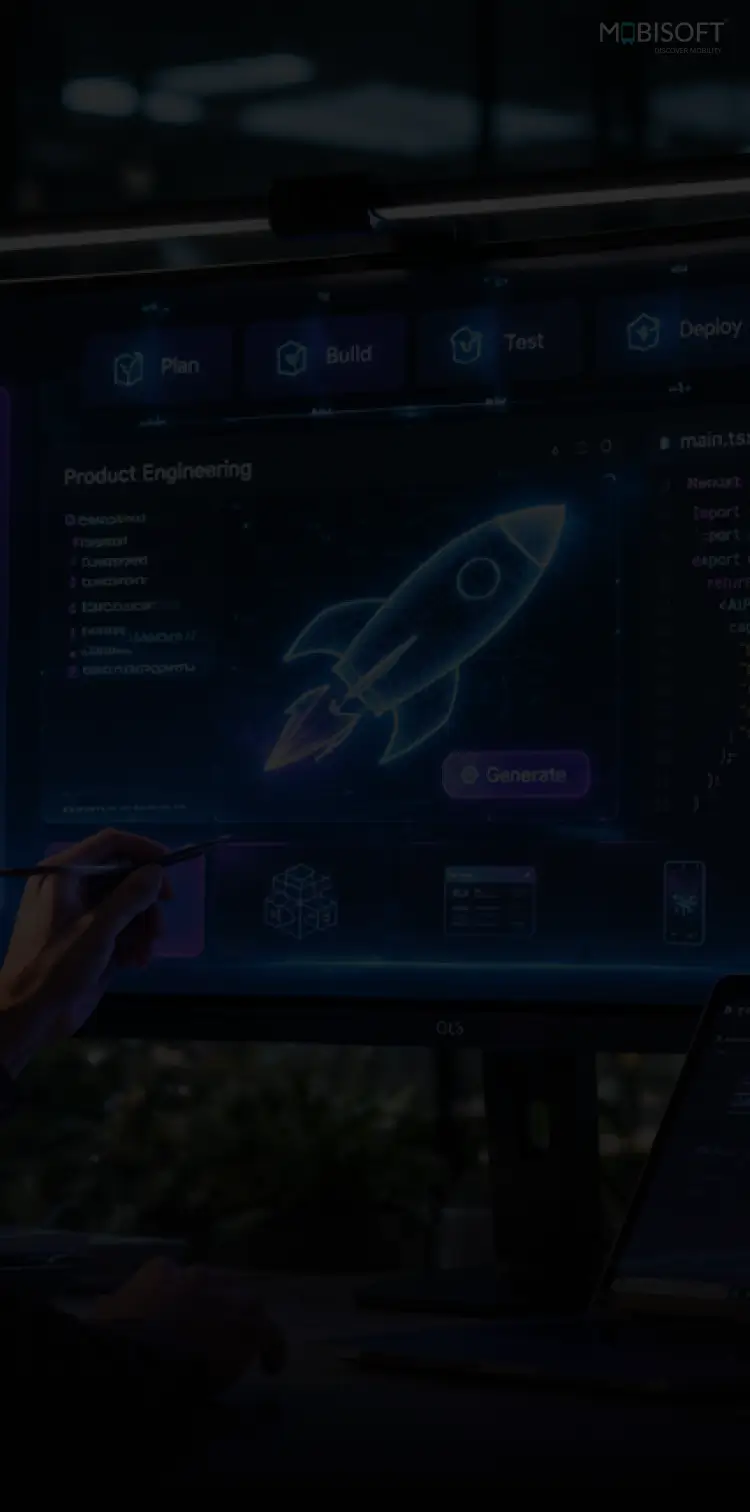


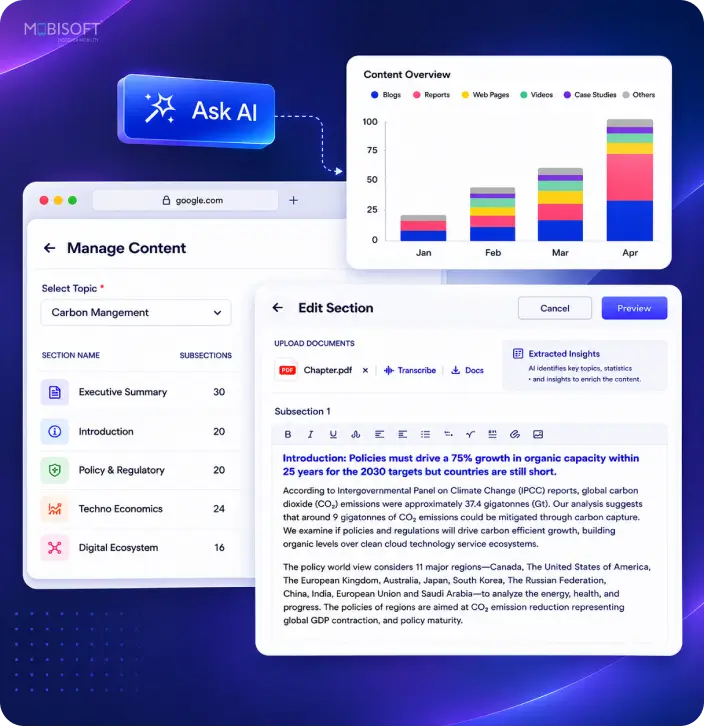
AI-native product engineering designs architecture, data and user experience around AI from day one.
End-to-end delivery backed by AI-native software engineering practices, with senior teams at every stage.
Workshops test AI feasibility and define user goals, then set a scoped roadmap for AI-first product development.
Model routing, data flows and fallbacks mapped in an LLM application architecture your engineers can build upon.
A lean first release that tests your core AI feature with real users before full AI-powered product development.
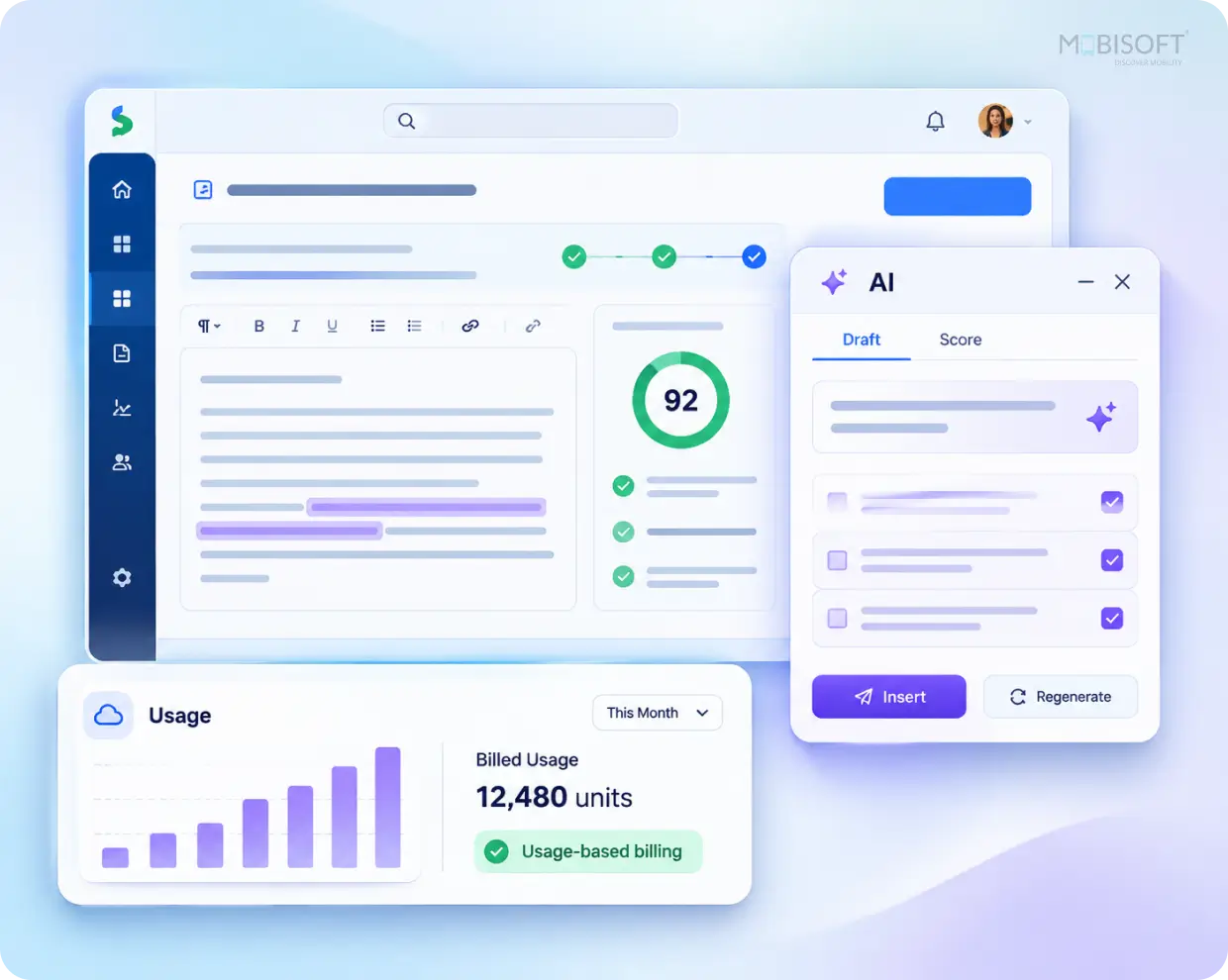
Multi-tenant platforms with data isolation, usage billing and admin controls built for AI-native SaaS development.
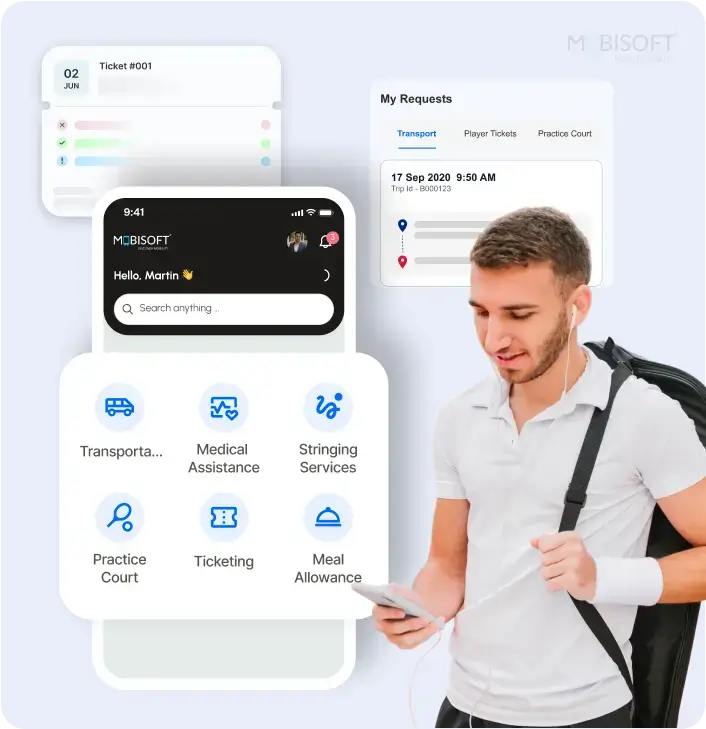
Web, mobile and API builds for enterprise AI product development, with features designed around daily user tasks.
Data pipelines, embeddings, prompts, and AI model orchestration that give every product feature accurate context.
AWS, Azure or Google Cloud deployment with autoscaling and spend caps for stable production-ready AI applications.
Legacy products rebuilt in phases on an AI-first architecture, so current users keep working through each release.
Our AI product engineering services turn your idea into a scoped plan, architecture and MVP.
Let’s TalkOur AI-native application development covers platforms, copilots and apps where AI does the work.
Engagements fit early founders, growing SaaS firms and large enterprise product groups.
Validate an AI product idea with a focused MVP before raising your next round.
Launch an AI-first product line or an AI-native module for your existing customers.
Build internal and customer-facing AI applications that meet security and scale needs.
Rebuild legacy software with AI at the core without disrupting your user base.
See what our AI-native product development delivers in production.
Teams choosing AI-native product engineering gain speed, lower rework and a better user experience.
Features rivals can’t copy with a plugin, like replies drafted from history.
A lean MVP tests real user response to your AI feature before a full build.
Data and model layers planned early avoid costly rebuilds as AI usage grows.
Routing and caching support AI product cost optimization as traffic climbs.
An abstraction layer lets you adopt newer models without rewriting your app.
Feedback and evaluation data reveal where each new release needs work next.
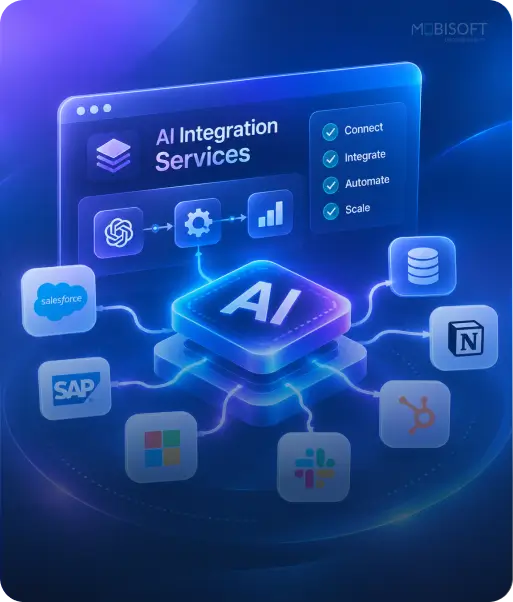
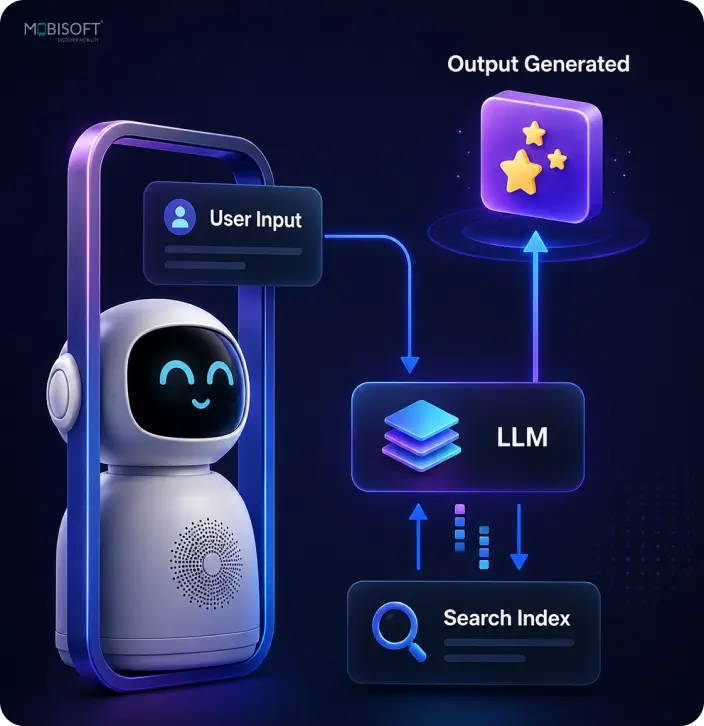
Our AI-native architecture connects users, models and enterprise data through layered, observable components.
Web, mobile and chat interfaces where your users interact with AI features.
Business rules, permissions and workflows that decide when and how AI runs.
Routes each request to the right model, prompt and tool chain for the task.
Hosted or open-source models paired with RAG over your approved content.
Databases, documents and third-party systems the product reads and updates.
Tracks output quality, latency, errors and cost across every new release.
A tested stack for models, data, cloud and operations, chosen for each product’s needs.
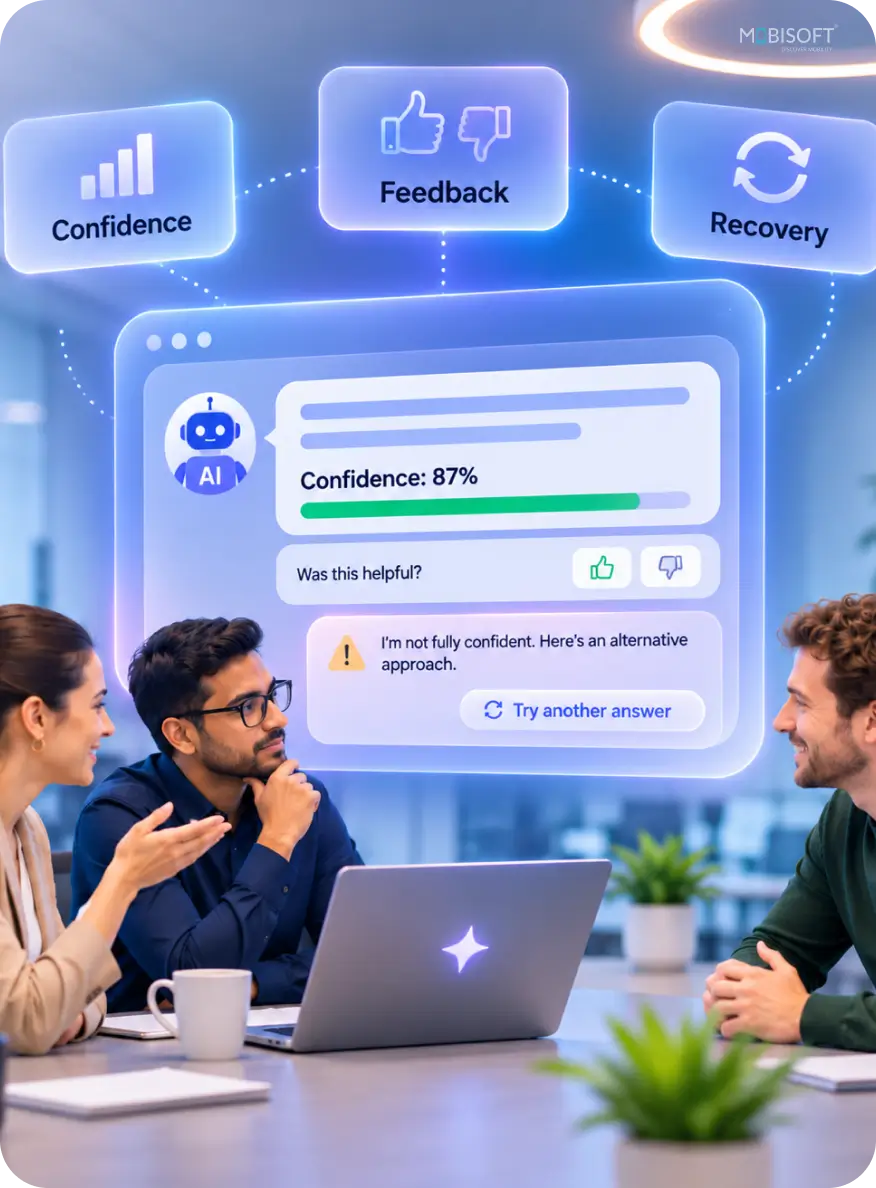
AI outputs vary, so interfaces need to show confidence, invite feedback and recover gracefully.
Chat and voice inputs that accept natural requests and meet accessibility standards.
Review steps before AI sends emails, updates records or acts on a user's behalf.
Source links, confidence labels and clear AI markers so users know what to trust.
Screens that adapt suggestions to the user's role, history and current task.
Ratings, edits and corrections captured as data that improves future outputs.
Clear messages, retry options and manual paths when a model times out or fails.
A clear AI product development lifecycle with defined deliverables at each stage.
Workshops define users, goals and AI feasibility upfront.
Architects map out models, data flows and infrastructure.
Clickable prototypes test AI flows with real users early.
AI product MVP development with built in features.
Security, quality and load tests before launch.
Usage data guides model tuning and AI spend after launch.
Evaluation, guardrails and access controls keep AI behavior predictable once real users arrive.
Your AI product development cost depends on scope, data, models and support needs.
Tests your AI idea and delivers a scoped plan and cost.
Core AI feature built, tested and validated with users.
Design, build, launch and optimization under one team.
Cross-functional engineers on a monthly retainer model.
One AI-native product development company for strategy, design, engineering and long-term support.
Skilled product, design, AI and QA experts in one delivery team
RAG and LLM systems already running in client production
Evaluation and guardrails set up before your first launch
Architecture planned around inference cost and user scale
ISO 27001 certified ISMS and SOC 2 Type II audited controls
Your source code, prompts and product IP stay fully yours
Phased AI product modernization moves AI into your core without pausing daily operations.
Review Your System ArchitectureYes. We start with a technical audit of your codebase, architecture, models and data pipelines. The audit report shows what to keep, what to fix and the effort involved. From there, our AI-native product engineering services continue development without forcing a full rebuild.
A product owner who can make decisions, a clear business goal and sample data are enough to begin. Access to the systems the product will connect with also helps. We share a short checklist before kickoff, so your team knows exactly what to bring.
We estimate inference costs during the architecture stage, based on expected users, request volume and the models selected. You receive a monthly cost projection alongside the build estimate. We also plan AI inference optimization measures such as model routing and caching to keep costs stable as usage grows.
We agree on accuracy targets during discovery and track them on every build, so gaps show up early. Our engineers then improve retrieval, prompts or model choice. If targets still aren’t met, we review the results and agree on the next AI product lifecycle step with you.
Yes. We can deploy into your AWS, Azure or Google Cloud account, so you keep control of billing, data and access. This setup also helps you meet data residency requirements. Your security team can review and approve the environment as part of your AI product security checks.
No. Our enterprise API agreements with OpenAI and Anthropic exclude customer data from model training by default. We also mask sensitive fields before data reaches any model. For stricter requirements, we deploy self-hosted models inside your own infrastructure.
Handover is part of the plan from the first sprint. Your engineers join code reviews and deployment sessions before launch. We provide architecture documents, runbooks and admin access. Post-launch support continues while your team takes full ownership of the AI-native product development cycle.
Practical guides on architecture, MVPs and evaluation for teams building AI products.
Explore our connected AI services that help you build, scale, and improve AI-native products.