Slow, Coordinated Releases
Every change requires coordinating across the entire application, turning simple updates into slow, high-risk, tightly managed release cycles.






















Monolithic applications often begin as a practical choice, but tight coupling eventually turns every change into a costly challenge.

Every change requires coordinating across the entire application, turning simple updates into slow, high-risk, tightly managed release cycles.

Deploying one small fix means redeploying the entire application, a common trigger behind most monolith-to-microservices migration decisions.

Shared codebases and dependencies force engineering teams to coordinate constantly, slowing delivery and limiting ownership over daily work.

High-demand components cannot scale on their own, forcing the entire application to scale even when just one part needs more capacity.

Tightly coupled code and legacy patterns accumulate over time, making monolith decomposition harder and more costly the longer it waits.
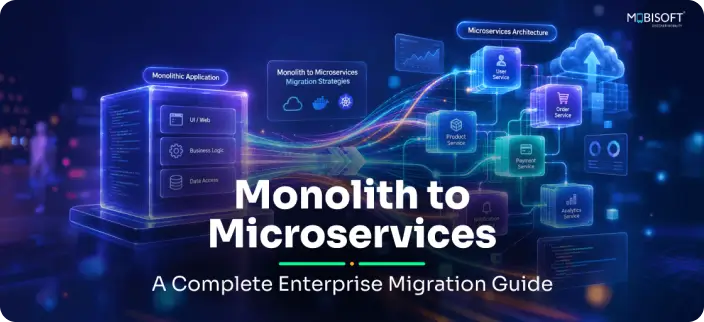
Rebuilding a monolith into microservices takes more than splitting code. Our team pairs architectural expertise with proven microservices migration services to modernize systems safely and at scale.

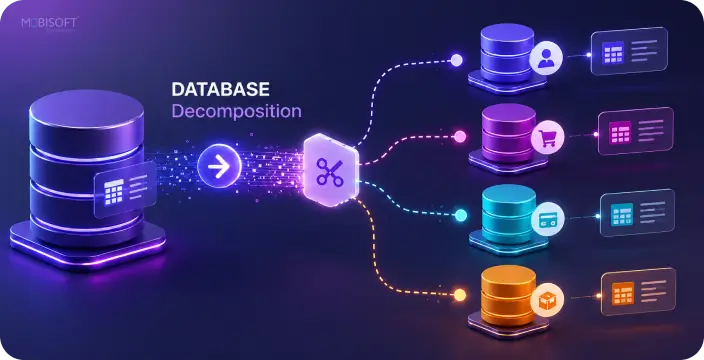
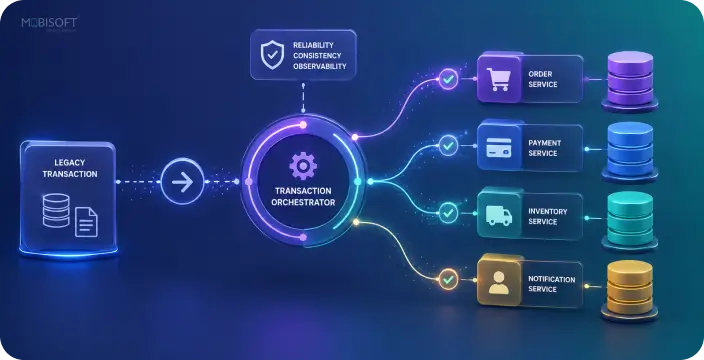
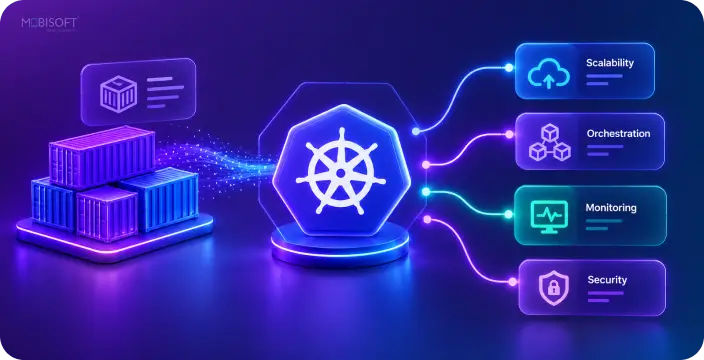
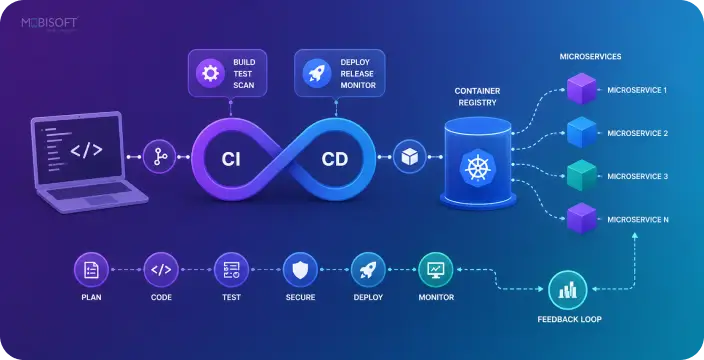
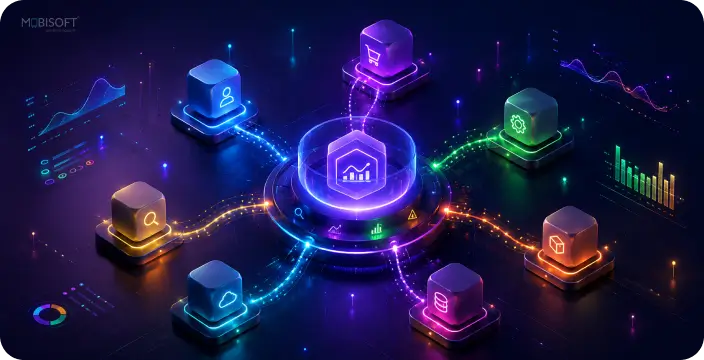
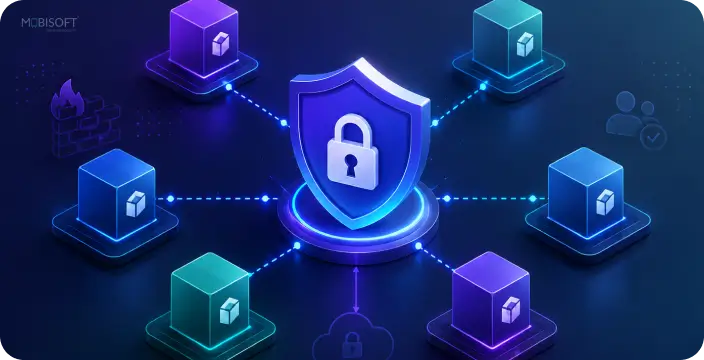
Move to independent services built for faster, safer, more frequent deployment cycles.
Start Your Migration
A monolith limits how fast you can grow. Monolith-to-microservices migration unlocks independent scaling, faster releases, and stronger resilience.

Isolate failures within one service instead of the entire monolithic application.

Scale only the components with real demand, not the entire monolith application.

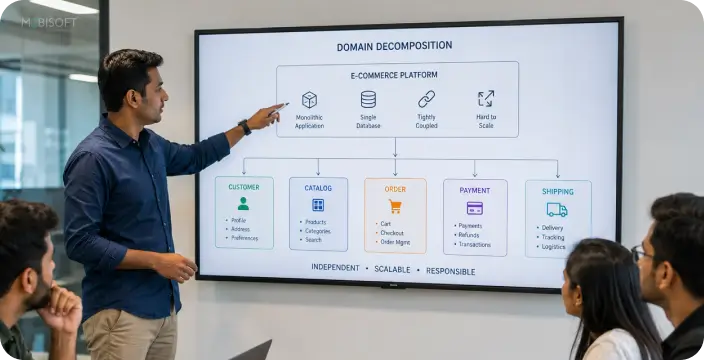
Build boundaries between business domains and reduce coupling across code.

Give teams true ownership and cut the shared dependencies that slow delivery.

Smaller deployment units limit the risk and scope of each individual release.

Release services on their own schedule, not in one coordinated deployment cycle.
See how we helped enterprises build applications with the latest technologies.
Global Logistics
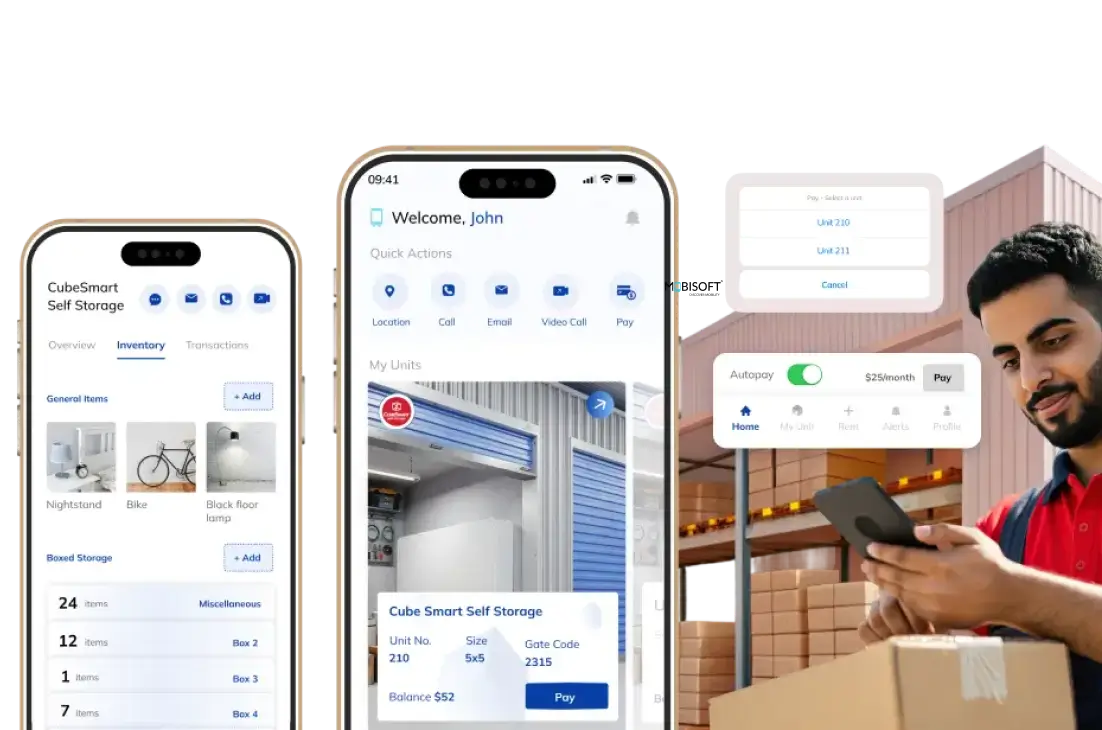
Storage & Warehouse
Every successful transformation follows a structured path. Our monolith migration approach balances speed with operational safety.

We study the application, its architecture, workflows, and integrations.

Business domains get mapped, and migration candidates get ranked.

CI/CD, containers, observability, and security practices get established.

Services separate from the monolith as traffic shifts gradually to them.

Teams validate performance, retire legacy code, and refine.
Get a structured monolith decomposition plan before complexity slows your engineering teams further.
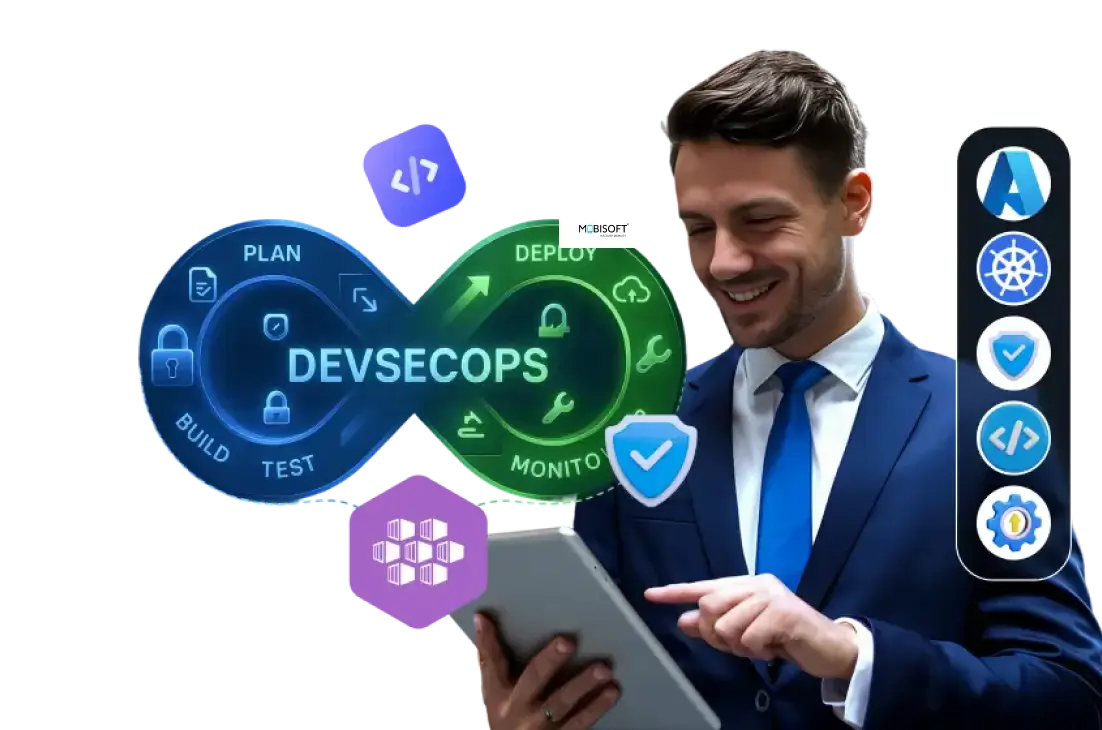
The right tools make decomposition safer and faster. Our monolith-to-microservices migration stack spans containers, orchestration, and service infrastructure.
Explore All Technologies
Every industry runs different applications, but monolith-to-microservices migration follows the same underlying patterns. Here is how we support the sectors we work with most.


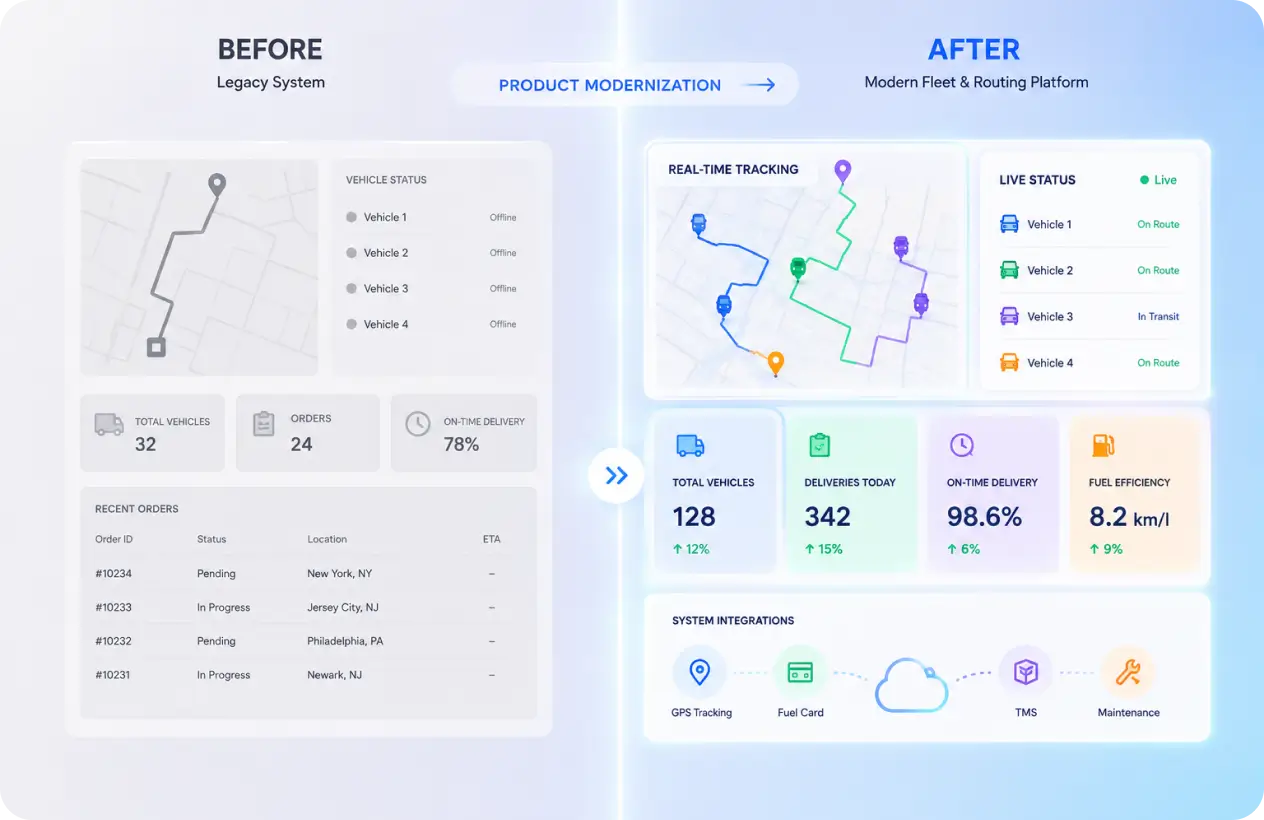
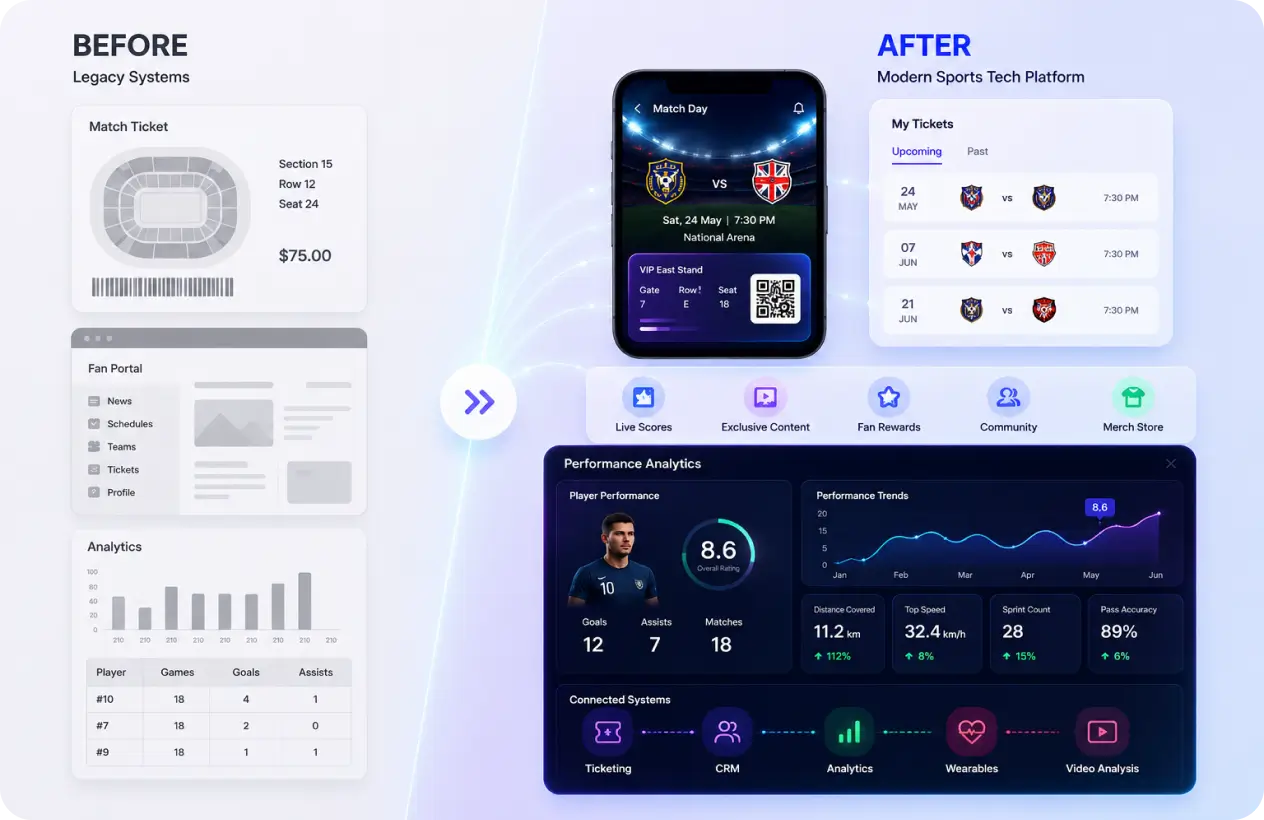
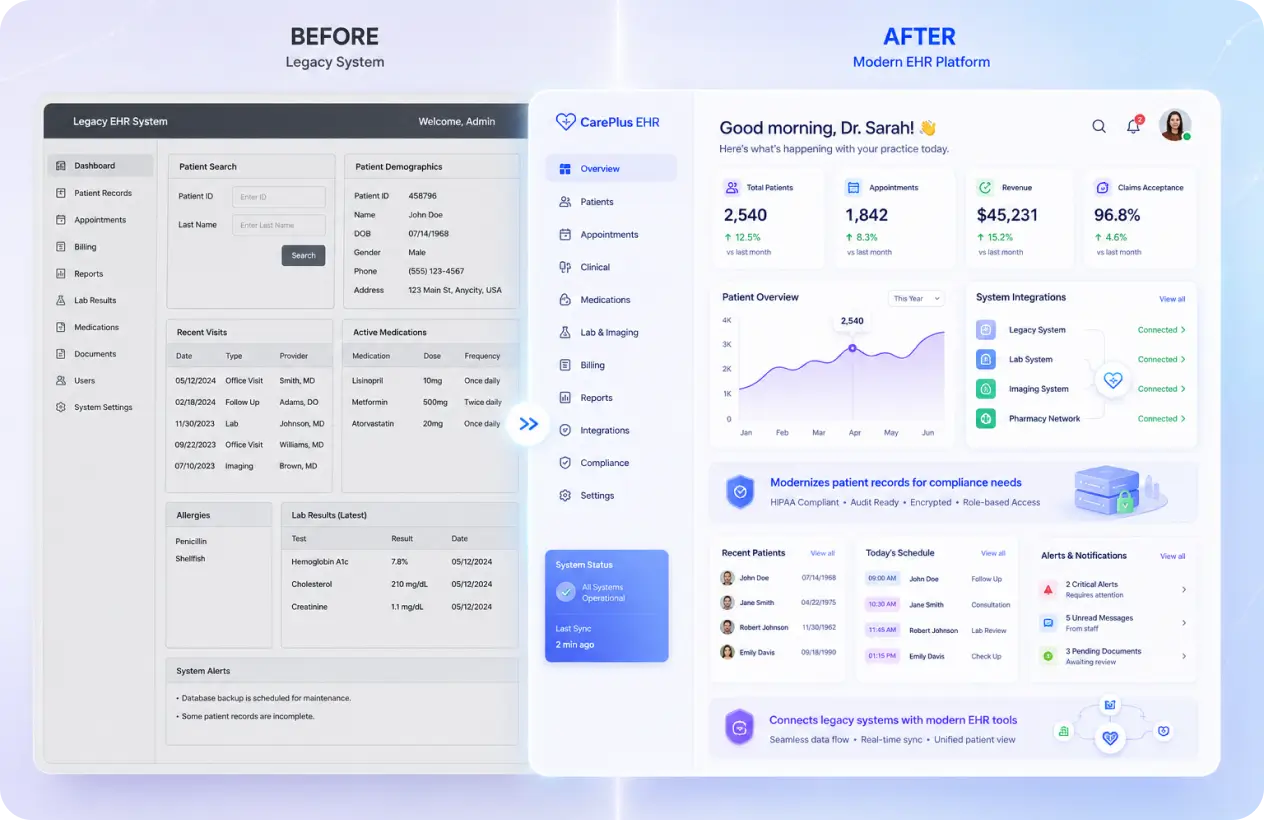
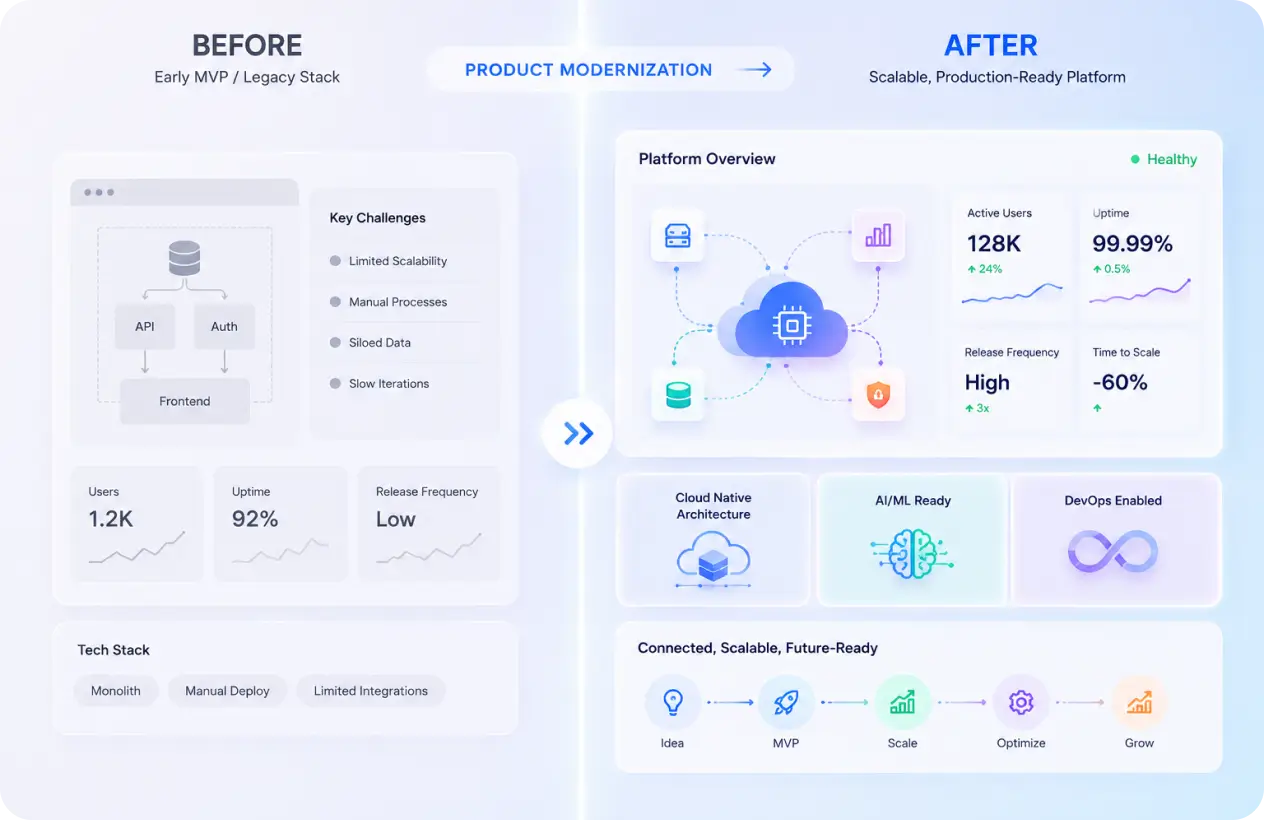

Rearchitecting core systems carries real risk if handled carelessly. Here is why enterprises trust us to migrate the right way.

Certified architects lead every decomposition project

AI-assisted strategy for quick and cost-effective migration

Proven migration approach across every service boundary

Minimal downtime through incremental, phased extraction

Transparent pricing with no hidden costs ever later

Ongoing support after every migration fully goes live
Our phased approach keeps legacy and new services running safely in parallel.
Let’s Talk
We help you gain independent scaling, faster releases, and stronger fault isolation across your systems. Our monolith-to-microservices migration replaces one rigid deployment cycle with services that evolve on their own schedule.
Our experts will help in this case. We assess your application's complexity, team structure, and growth needs before recommending a path. If coupling and release risk are slowing you down, monolith decomposition is usually the right move.
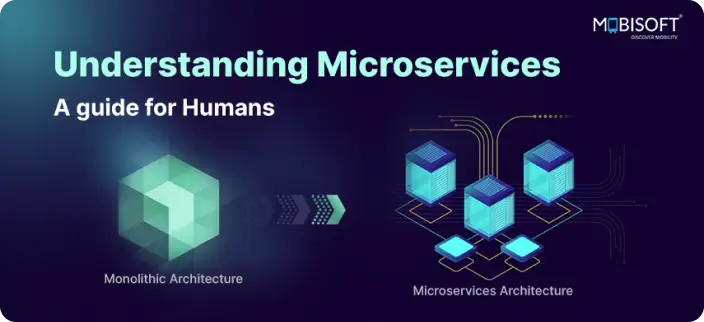
A monolith runs as one deployable unit, while microservices split that unit into independent, loosely coupled services. We handle this transition through a structured monolith migration approach built for minimal disruption.
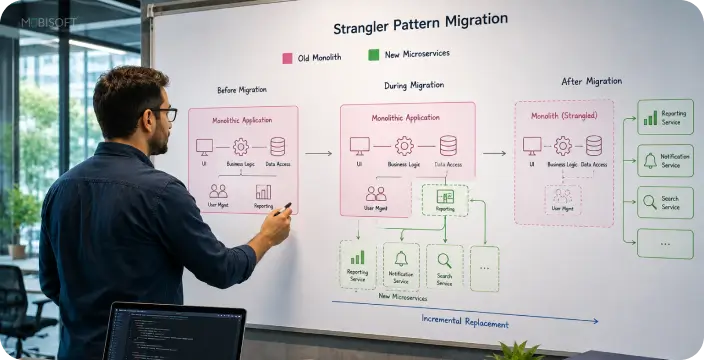
We apply the strangler pattern, extracting features gradually instead of forcing a full rewrite. This approach to monolith decomposition keeps your application stable while services are separated one at a time.
Yes. We run legacy and new services in parallel throughout the transition. Our migration approach routes traffic incrementally, so business continuity never depends on a single cutover event.
You get certified architects with proven experience across every service boundary and technology stack. Mobisoft Infotech pairs this expertise with transparent pricing and support that continues after your microservices migration services go live.
We apply zero-trust principles and default authentication across every new service. Our microservices security practices protect APIs, secrets, and containers throughout the entire decomposition process.
We offer dedicated teams, staff augmentation, and fixed-scope engagements depending on your project needs. You choose the model that fits your monolith migration approach, timeline, and internal team capacity.
Read the latest insights and tech trends from our experts.


 Application Engineering
 Cloud Platforms
 Cloud Native
 Architecture
 Integration
 DevOps

 Observability
 Databases